The Dawn of AI-Driven Smartphones: The Impact of the Pixel 6 Series
On October 19, 2021, Google launched the Pixel 6 series, marking a significant shift in the smartphone landscape towards an AI-first approach. With the introduction of advanced features powered by artificial intelligence, the Pixel 6 and its Pro variant not only aimed to enhance user experience but also set the stage for what has become a prevalent trend in mobile technology.
Groundbreaking AI Features: Hold for Me and Magic Eraser
One of the standout features was "Hold for Me," which allowed users of the Pixel 6 series to engage in other tasks while on hold during phone calls. The Google Assistant, and later Gemini, would notify users when the other party returned to the line, sparing them from the frustration of waiting in silence.
Another notable feature introduced during the 2021 Made by Google event was "Magic Eraser." This innovative tool harnessed AI to remove unwanted objects from images with just a simple swipe of a finger. Interestingly, Apple followed suit years later, introducing similar functionalities labeled "Hold Assist" in iOS 18.1 and "Clean Up" in iOS 26.
Tensor SoC: A Launchpad for AI Innovations
While the original Tensor chip found in the Pixel 6 and Pixel 6 Pro was considered less powerful than its Apple and Qualcomm counterparts, it was specifically designed to enhance AI capabilities. Despite some limitations, the Tensor chip supported extended updates for several years, allowing my Pixel 6 Pro to run on the latest Android 17 Beta.
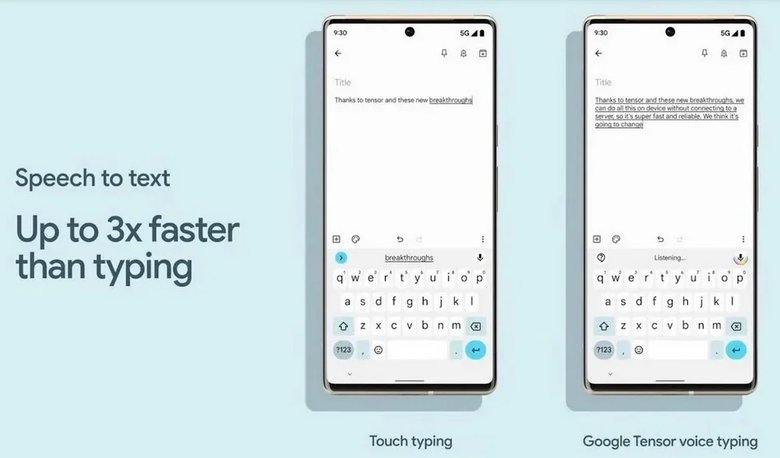
The Tensor SoC empowered Google to implement on-device AI, offering better security compared to cloud-dependant systems. Remarkably, several features were backported to the Pixel 6 series, enhancing the user experience, including:
- Magic Editor: This advanced feature allows users to reposition objects and alter backgrounds in images.
- Best Take: This innovative feature selects the best facial expressions from a series of photos for group shots.
- Photo Unblur: A sought-after feature enabling users to enhance older photos, even those not taken on a Pixel device.
- Audio Magic Eraser: Originally launched on the Pixel 8, this feature eliminates distracting background noise from videos.
- Clear Calling: Utilizing AI to reduce ambient noise in phone calls while amplifying the speaker’s voice.
- Circle to Search: A long-press feature allowing users to search for anything on their screens by circling it.
- Gemini Nano Integration: Supports limited on-device AI tasks like audio summarization and smart replies.
Design Innovations: The Pixel Rear Camera Bar
In terms of design, the Pixel 6 series introduced the recognizable rear camera bar, a feature that has evolved in subsequent models. However, the series faced hiccups, such as the less efficient optical fingerprint sensor and connectivity issues due to the Samsung Exynos modem.
The Legacy of the AI-First Era Begins with Pixel 6
With Google's shift to using the MediaTek M90 5G modem for future Pixel iterations, the upcoming Pixel 11 line is expected to offer improved battery performance. Despite the challenges that the Pixel 6 Pro faces in terms of battery life and performance, it stands out as a pivotal device in ushering in a new age of smartphones—one where AI isn't merely an added feature but rather the cornerstone of mobile technology.


