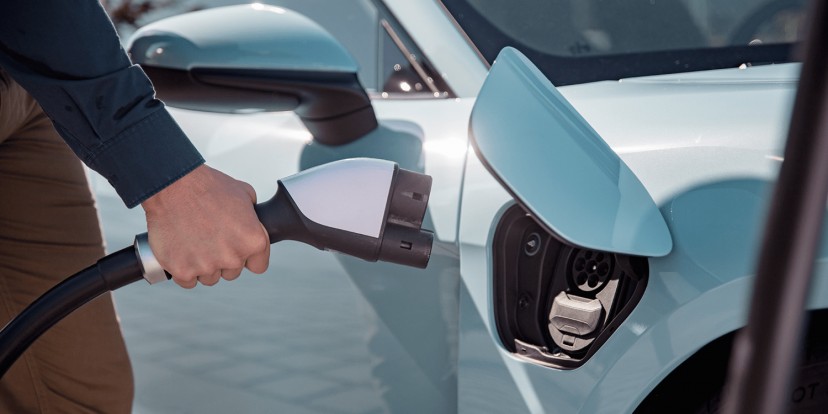
Charging capabilities of electric vehicles (EVs) have been a topic of relentless discussion, particularly with peak DC charging powers reaching impressive levels of 150 kW, 200 kW, and even 300 kW. However, is the significance of maximum charging power being overstated? Given that most European drivers travel less than 50 km per day, the speed at which they recharge their vehicles may not be as critical.
The emphasis on DC charging stems largely from manufacturers showcasing advancements in battery technology. Nonetheless, many people continue to compare the “charging power” and charging duration of electric vehicles with internal combustion engine (ICE) vehicles.

While DC charging plays an important role during long journeys for electric cars, do vehicles capable of charging at 200 kW, 250 kW, or even 300 kW truly deliver on their promises? Let’s investigate.
Peak Charging Power
Peak charging power is a crucial component of the equation. Recently, cars utilizing 800V architecture, such as the Lucid Air (300 kW) or the Porsche Taycan and Audi E-tron GT (both at 270 kW), have pushed the limits of DC charging. In the 400V realm, Tesla leads with its V3 Supercharger at 250 kW, while lower-capacity vehicles like the Nissan Leaf (50 kW) and the Skoda Citigo and VW e-up! (40 kW) lag behind.
The table below outlines peak charging rates alongside the estimated range achieved per minute of charging, calculated based on expected electricity consumption at a speed of 130 km/h on the highway, the typical scenario where DC charging is most critical.
| Model | Peak Charging Power (kW) | Estimated Consumption at 130 km/h (kWh/100km) | Range/Minute of Charging at Peak Power (km) |
|---|---|---|---|
| Lucid Air | 300 | 21 | 23.8 |
| Porsche Taycan | 270 | 24 | 18.8 |
| Tesla Model S | 250 | 21 | 19.8 |
| 233 | 26 | 14.9 | |
| Mercedes EQS | 200 | 23 | 14.5 |
| Peugeot e-208 | 100 | 26 | 6.4 |
| Nissan Leaf e+ | 50 | 26 | 3.2 |
| VW e-up! | 40 | 23 | 2.9 |
The Charging Curve
While peak DC charging power indicates the technological status of an electric vehicle, everyday drivers may find mean DC charging power from 10% to 80% to be more relevant.
In an ideal scenario, peak charging power would correspond with charging durations, but unfortunately, this is often not the case. High voltage batteries can only maintain peak charging rates for brief periods and at specific charge levels.

Charging curves vary for each model and are primarily determined by the battery specifications and how the Battery Management System (BMS) regulates charging. The reduction in charging power is a safety feature designed to prevent excessive heat buildup in the battery. Additionally, battery cell balancing occurs at higher charge levels, further limiting charging power.
The following table presents real-world data alongside the expected range per minute of charging based on mean charging power from 10-80%. It appears that the top performers achieve mean charging power peaking around 175-180 kW, despite their higher peak DC charging capabilities. Mean charging power was calculated using data gathered from charging curves provided by Fastned.
| Model | Mean Charging Power 0-80% (kW) | Estimated Consumption at 130 km/h (kWh/100km) | Range/Minute of Charging with Mean Power (km) |
|---|---|---|---|
| Lucid Air | 175 | 21 | 13.89 |
| Porsche Taycan | 147 | 24 | 10.21 |
| Tesla Model S | 180 | 21 | 14.29 |
| 175 | 26 | 11.22 | |
| Mercedes EQS | 180 | 23 | 13.04 |
| Peugeot e-208 | 65 | 26 | 4.17 |
| Nissan Leaf e+ | 43 | 26 | 2.76 |
| VW e-up! | 27 | 23 | 1.96 |
Conclusions
Ultimately, regardless of maximum charging power capabilities, all vehicles seem to reach a plateau of approximately 180 kW for mean charging power during standard DC charging sessions up to 80%. This aligns with current technological limitations.
Most electric cars on the market utilize lithium-ion NMC chemistry batteries, resulting in minimal variation. Because this 180 kW mean charging power is independent of voltage (whether 400V or 800V), it indicates that we may be approaching the technological limit of existing battery chemistries. Future breakthroughs, such as lithium-air or solid-state batteries, may enable us to exceed this threshold. Only time will reveal the advancements that lie ahead.
 DC charging stations symbolize the future of transportation.


