Apple has recently made an eye-catching claim about its iPhone Lockdown Mode that, if substantiated, may represent one of the most significant achievements in the realm of mobile security in recent years. This feature, designed for those at risk of targeted attacks, showcases Apple's commitment to creating a more secure environment for its users.
Understanding Lockdown Mode
So, what exactly is Lockdown Mode? It serves as a panic button for your iPhone. When activated, it disables a range of standard functionalities: link previews in messages are turned off, wired connectivity to computers is blocked, web browsing features are limited, and incoming calls from unknown numbers are strictly regulated.
This feature isn't intended for the casual user who enjoys scrolling through social media. It is tailored for journalists, lawyers, activists, and individuals who may be targeted by advanced spyware. The trade-off for these enhanced protections is a notably reduced user experience, creating a formidable barrier against would-be attackers.
According to Apple spokesperson Sarah O’Rourke, "We are not aware of any successful mercenary spyware attacks against a Lockdown Mode-enabled Apple device." (TechCrunch, March 27, 2026).
The Significance of a Clean Record
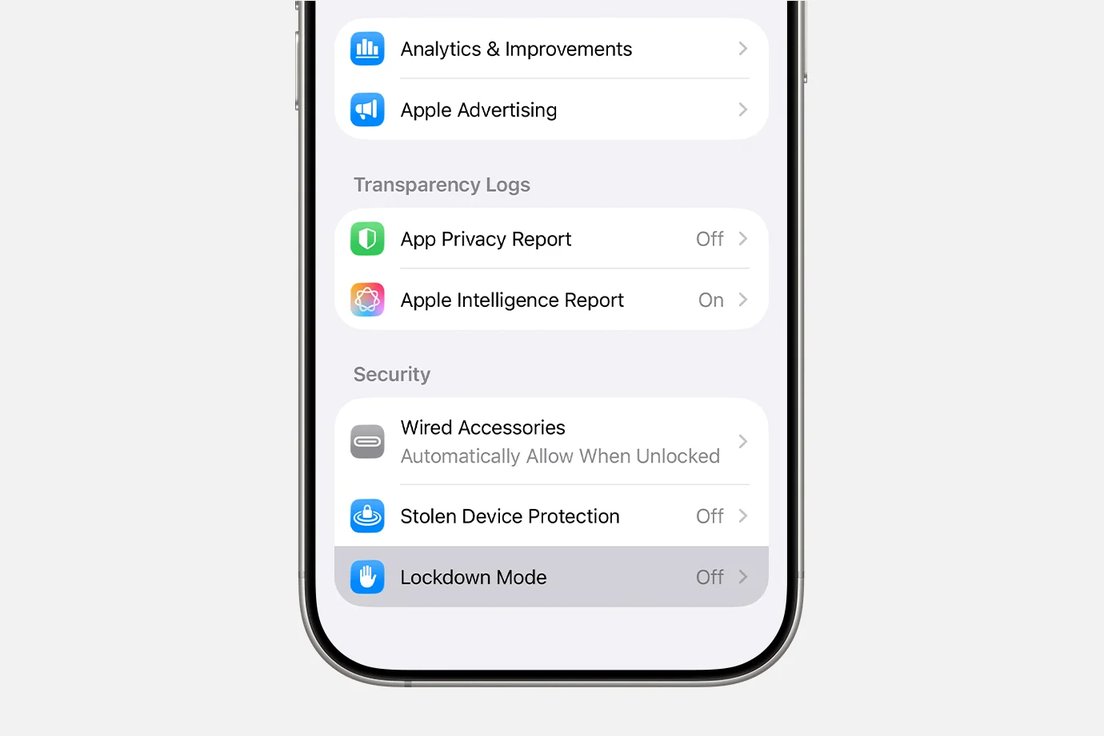
The fact that Lockdown Mode has thus far maintained an unblemished record against targeted spyware attacks is a noteworthy achievement. It indicates that Apple's strategy of limiting access points for attackers is effective in real-world scenarios.
For comparison, while Android does have a Lockdown Mode, it doesn't offer the same level of functionality, highlighting a distinct advantage for Apple in this area.
Limitations and Future Prospects
While Lockdown Mode provides robust protection for a select group of individuals, the average iPhone user—who primarily uses their device for casual communication and entertainment—may not experience any significant changes in their daily security practices.
This accomplishment underscores Apple's ability to deliver on hardening its security features. The question remains whether similar protective measures will eventually be integrated into the overall user experience, benefiting everyone, including those who may not actively search for advanced settings.