In a surprising shift, Apple appears to be acknowledging its limitations in the AI arena. Rather than persisting with an insular approach that hasn't yielded the desired results, the tech giant is moving towards a collaborative strategy, leveraging existing AI technologies to enhance user experience while concentrating on its core strengths.
Transforming the iPhone into an AI Powerhouse with External Innovations
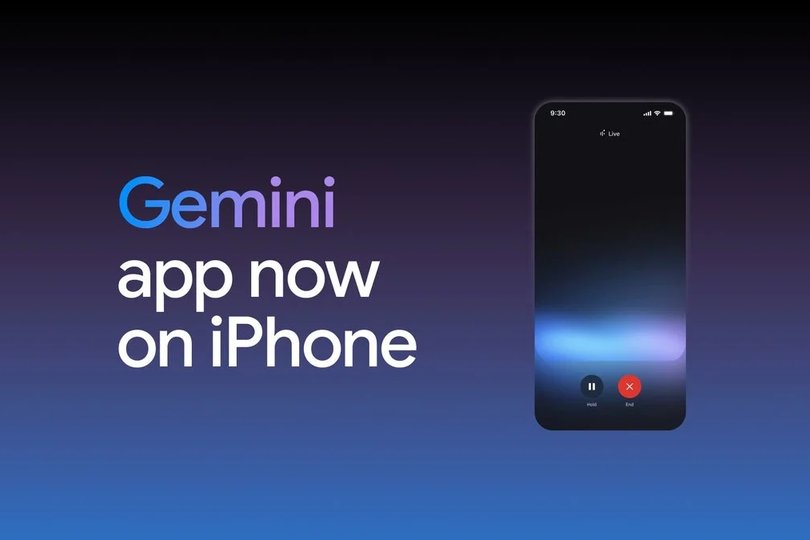
Revolutionizing User Experience Beyond a Simple Siri Upgrade
The implications of this development extend well beyond just enhancing Siri. As AI is increasingly seen as the foundational layer of operating systems, Apple's decision to embrace competing AI solutions marks a significant step. This approach goes beyond simply allowing users to select their preferred email applications.
Last year, Apple restructured its AI team to accelerate innovation and respond to growing pressure. With WWDC approaching, the newly revamped strategy is beginning to take shape.
Recognizing When Change is Necessary: A Key to Success
Apple’s previous endeavors in AI have faced criticism due to delays with Siri, mediocre Apple Intelligence features, and mounting internal exasperation over unmet expectations—a reflection of a company striving for in-house success but failing to deliver consistently. This acknowledgment is not a critique; it's a candid reflection of the current landscape.This adaptive business model has the potential for long-term viability. The primary challenge moving forward will be ensuring that iPhone users experience genuinely effective AI integrations, rather than merely serving as intermediaries for external applications that handle the heavy lifting.