Why the Xiaomi 17 Ultra is a Stunning Camera Phone But a Frustrating Daily Driver
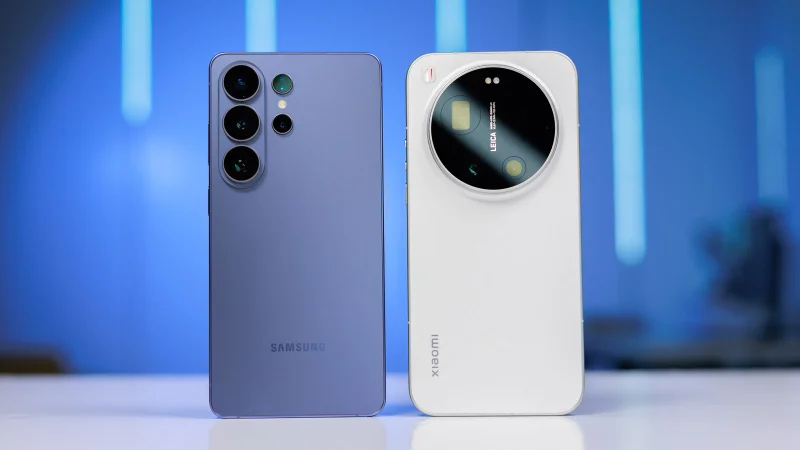
The Xiaomi 17 Ultra has made waves in the smartphone market, particularly for its exceptional camera capabilities. However, despite some standout features, the experience of using this phone every day is marred by a lackluster software interface. In this article, we explore the strengths and weaknesses of the Xiaomi 17 Ultra to help you decide if it's worth your investment.
Xiaomi 17 Ultra: A Great Phone Hindered by Subpar Software
The Xiaomi 17 Ultra raises an important question about what users truly need from a top-tier phone. While the back camera shines with impressive capabilities, the HyperOS interface disappoints with its lags and bugs, falling short of its competitors like Oppo’s ColorOS, Samsung’s OneUI, Vivo’s OriginOS, and Google’s stock Android on the Pixel.
Featured Articles
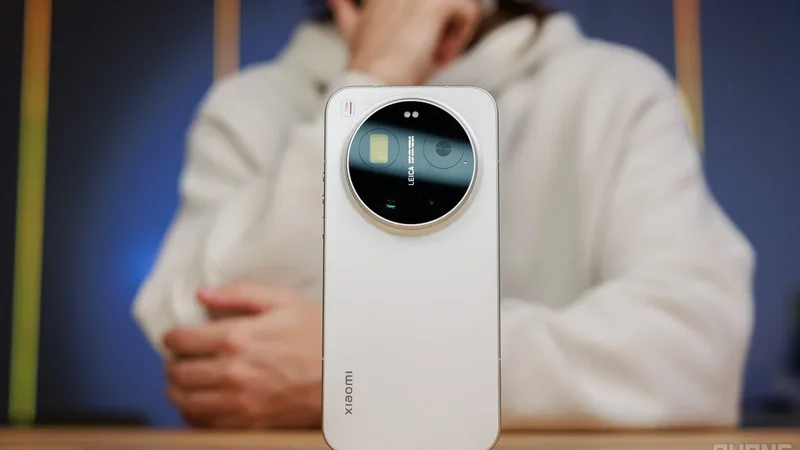
To illustrate the software issues, let's discuss the split-screen feature. Unlike other Android devices that allow users to enter split-screen mode easily from the app drawer, HyperOS restricts you to only the apps you've used recently. This is a significant inconvenience in productivity and brings about a frustrating user experience. Furthermore, switching apps while in split-screen mode lacks the intuitive design present in other Android skins.
Another glaring downside is Xiaomi's alteration of Android’s Monet infrastructure used for Material You color theming. While most Android phones select colors from your wallpaper for a cohesive look across apps, the Xiaomi 17 Ultra fails to offer this basic customization, detracting from the visual enjoyment of using the device.
Additionally, despite the Xiaomi 17 Ultra boasting impressive hardware and performance that can rival the latest iPhones and Galaxies, the interface often curtails this potential due to sluggish animations. Even small delays can accumulate, leaving users yearning for the seamless fluidity of other competing interfaces where customization options abound.
HyperOS: A Lackluster Experience
At the core of the Xiaomi 17 Ultra is HyperOS 3, a departure from Xiaomi's previous popular interface, MIUI. While MIUI was once known for its robust features and customization, HyperOS falls short of its legacy. Even with a price tag starting at €1,499 ($1,700), it's clear that the Xiaomi 17 Ultra is desirable not because of HyperOS, but rather despite it.