Introduction
The tech world has been buzzing about Apple’s latest release: the MacBook Neo. Priced at an unprecedented $599, this laptop marks a dramatic shift in Apple's strategy, breaking the longstanding rule of maintaining high price tags for premium products. With innovative engineering and a consumer-first approach, the MacBook Neo bridges the gap between affordability and quality, appealing primarily to students and everyday users.
The Engineering Breakthrough Behind Its Affordability
Mark Gurman’s "Power On" newsletter from Bloomberg sheds light on the fascinating engineering that has enabled the MacBook Neo to be priced so competitively. Rather than simply slashing prices, Apple has redefined its design approach, utilizing advanced technology already proven in their other devices, like the iPhone 16. The new laptop incorporates an innovative aluminum manufacturing method that not only reduces costs but also minimizes waste, resulting in a premium build without the extra expense.
Featured Articles



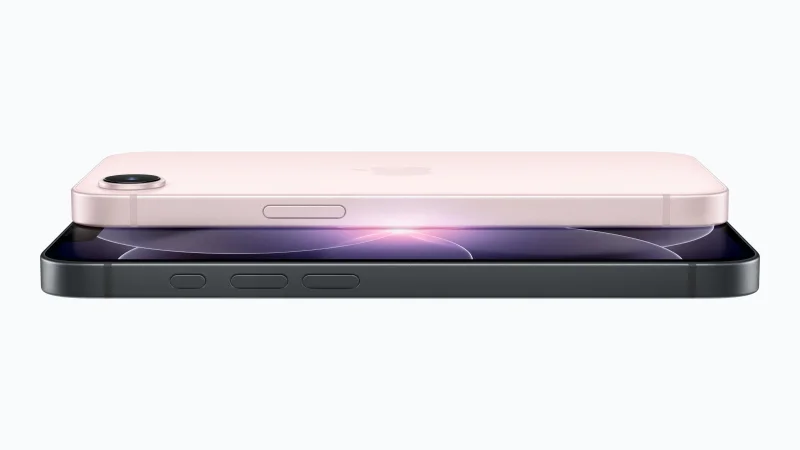
Additionally, Apple’s transition away from Intel processors has played an instrumental role in containing costs. By developing their own silicon, the company sidesteps licensing fees and optimizes performance, making macOS run seamlessly on these efficient processors. The new software design is also more vibrant and user-friendly, marking a significant upgrade in user experience.
What This Means for Your Next Laptop Purchase
The MacBook Neo is positioned to become a favorite among younger users and students, providing a high-quality laptop at an accessible price point. This strategic move reflects Apple's long-awaited shift in philosophy, prioritizing value for average consumers who want products that deliver functionality and aesthetics without breaking the bank.

Have Your Say: What Excites You Most About the MacBook Neo?
A Laptop for Every Student's Needs
The MacBook Neo combines quality, efficiency, and aesthetics in a way that resonates with younger audiences. Clearly, Apple is ready to penetrate markets long dominated by Windows, making its mark in college dorms and beyond.