
Huawei, the technology powerhouse, has partnered with the state-owned automaker GAC Group to unveil their first collaborative vehicle under a new brand, Qijing. Their debut is a sporty electric shooting brake—a sleek, performance-focused station wagon—marking a significant step in merging advanced technology with automotive manufacturing expertise.
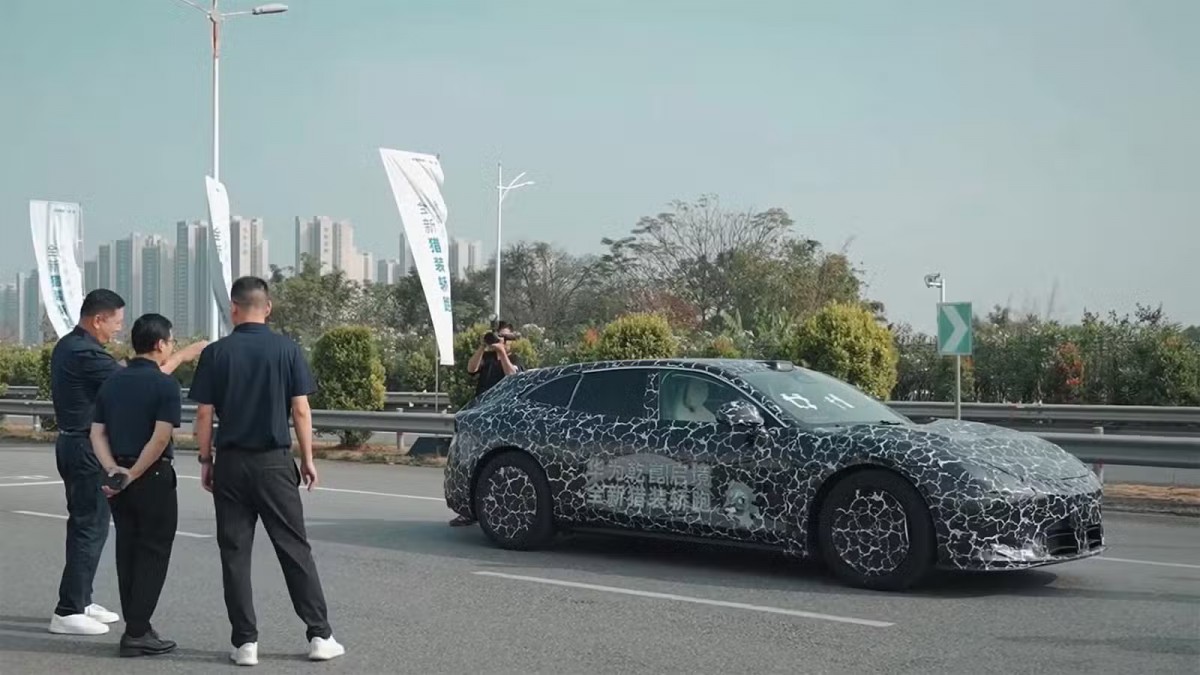
Departing from the typical sedan or SUV designs common in the electric vehicle market, the Qijing shooting brake adopts an athletic profile featuring a sloped hood, prominent front air intake, and 20-inch ten-spoke wheels. Its flush door handles enhance aerodynamics, aligning with a growing trend in China where sporty wagons are gaining popularity over bulky SUVs. The Qijing aims to compete with stylish rivals such as the Zeekr 001 and the Nio ET5 Touring.
On the technology front, the Qijing incorporates Huawei’s Qiankun intelligent vehicle system. A prominent rooftop LiDAR sensor aids in environmental awareness. The company asserts that the vehicle is "Level 3 ready," enabling it to perform many driving functions autonomously under certain conditions, while requiring driver readiness to intervene.
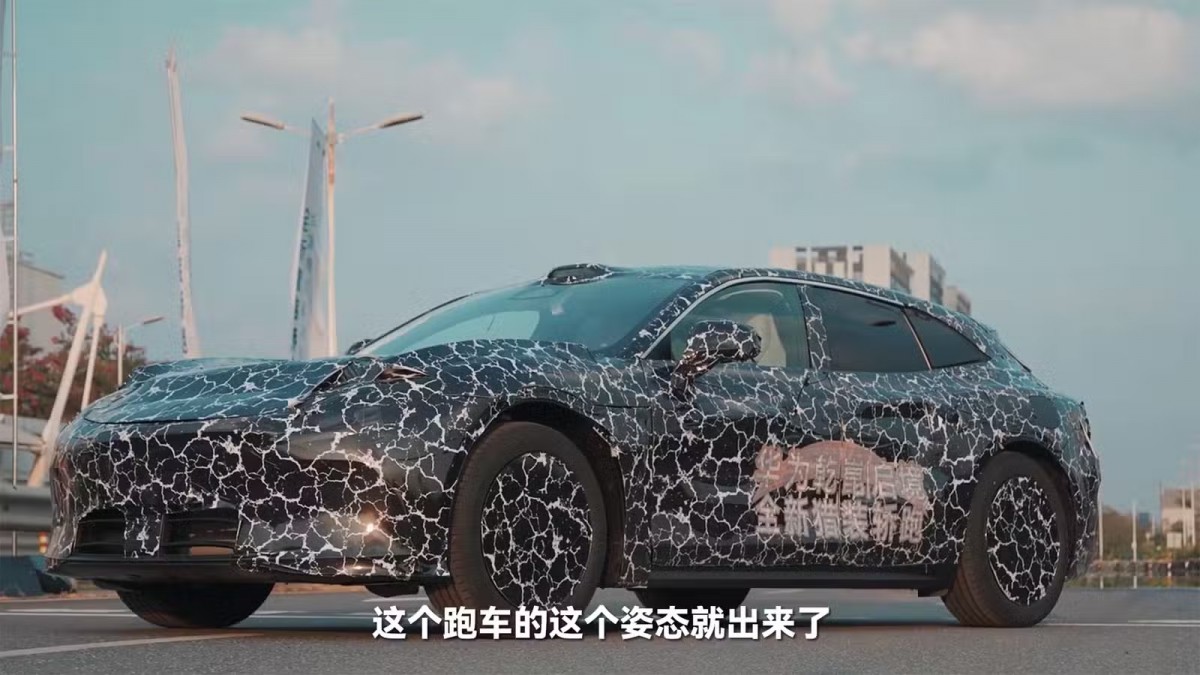
Though exact battery specifications remain undisclosed, the Qijing is equipped with an 800V high-voltage architecture designed for ultra-fast charging—an essential feature for convenience-minded electric vehicle users. Both Huawei and Qijing executives praised the car’s dynamic handling during recent road tests, indicating that it delivers more than just technological appeal.
Perhaps most notably, the Qijing offers premium aesthetics, driving performance, and intelligent features typically found in vehicles priced around RMB 1 million (€120,000)—comparable to the ultra-luxury Yangwang U8—while targeting a significantly lower price bracket. The estimated domestic price is approximately RMB 300,000 (€36,400), positioning the car as a luxury experience accessible to a broader market and challenging established brands.
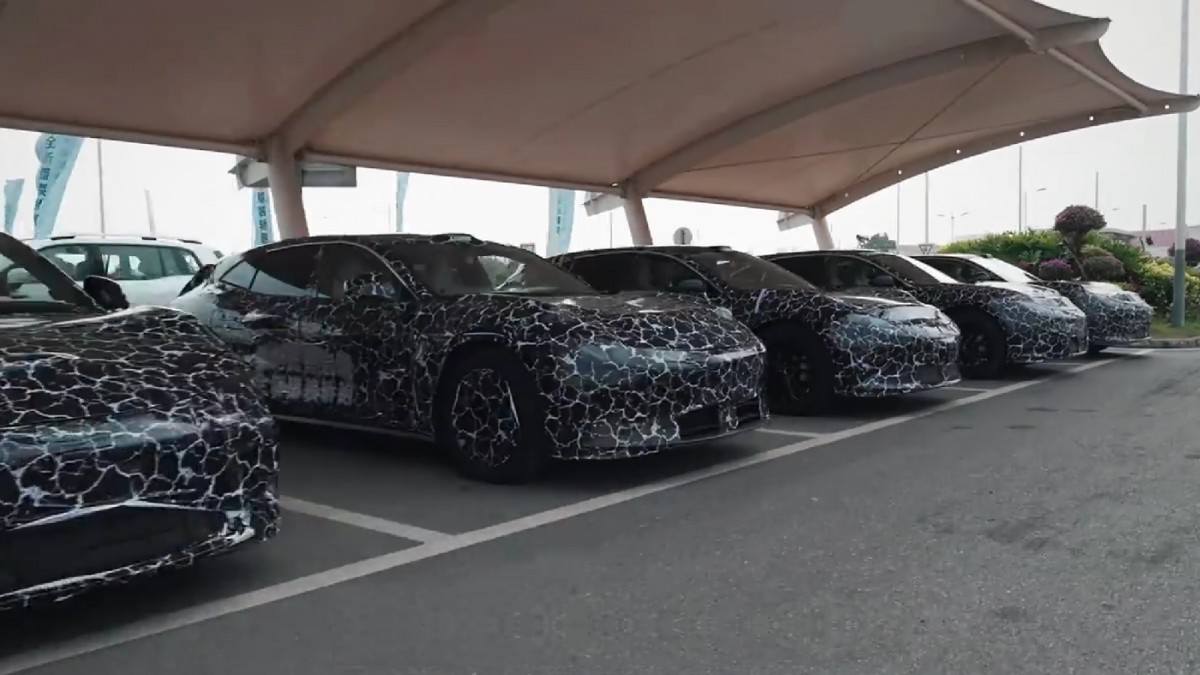
Qijing appointed CEO Liu Jiaming in September 2024 to spearhead the project, swiftly moving from prototype development to market readiness. The vehicle is slated for official launch within a few weeks, with deliveries expected to commence in June 2026.


