Why Employees Rejected the Motorola Phones Their Company Provided
When a company opts to equip its workforce with smartphones, the choices often extend beyond just functionality. Employees expect devices that reflect quality, prestige, and usability. In one recent case, a company distributed Motorola phones to its employees—only to find widespread dissatisfaction. This article explores the factors behind this backlash, including perceptions around premium brands, psychological influences on brand loyalty, and why free doesn’t always mean appreciated.
The Importance of a “Premium” Brand Perception
Brands have worked hard to establish the idea of being “premium.” This status isn’t just about the hardware or features but how the brand makes users feel about themselves and their place in society. It deeply influences objective comparisons and purchasing decisions.
Self-Signaling and How It Shapes Consumer Choice
Choosing a premium phone often acts as a form of self-signaling—the device reflects the owner's identity and tastes to themselves as much as to others. When employees receive a brand they don’t identify with, it disrupts their self-image and satisfaction.

The Halo Effect in Technology Branding
The “halo effect” means people project positive attributes from one product to an entire brand. Steve Jobs famously convinced the world that the iPhone represented the best design and technology. However, this perception might no longer fully hold true as competition grows. Despite that, many still judge brands based on these lasting impressions rather than current realities.
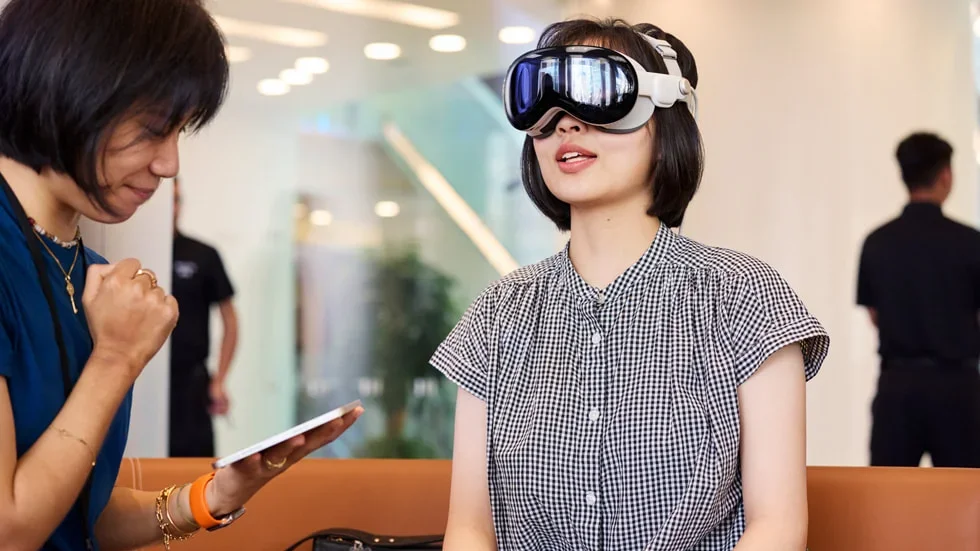
While this was valid for earlier iPhones, other brands have caught up or surpassed them in features and performance, challenging the halo effect.
Status Signaling and Its Impact in the Workplace
Status signaling involves choosing products that elevate one’s perceived social or professional standing. In an office environment, receiving a device that is viewed as less prestigious can negatively affect morale and how colleagues perceive each other.
Why Did Employees Dislike Receiving Free Motorola Phones?

Despite being free, Motorola phones failed to meet employees’ expectations for brand prestige and social signaling, which ultimately led to dissatisfaction. The phones may have been functional, but they didn’t carry the same cachet as rival brands, causing a disconnect between what employees wanted and what was given.
Key Takeaways

This case highlights how crucial brand perception is in workplace tech decisions. Providing devices solely based on cost or functionality overlooks important psychological factors such as identity, status, and long-standing brand impressions. For companies, understanding these elements can improve employee satisfaction and adoption of provided technology.