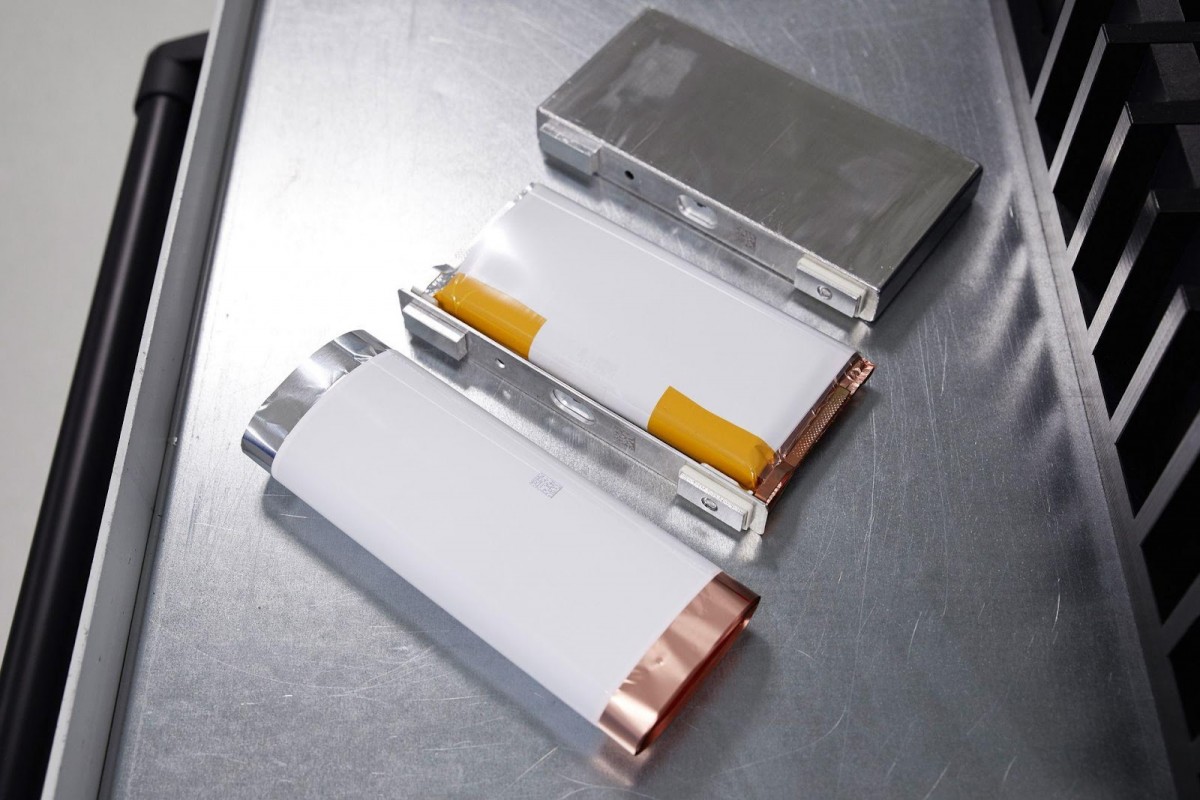
Samsung’s Galaxy S26 series hints at a major software breakthrough, signaling that the company’s software team has reached a new level of polish and capability. Yet, while Samsung’s software is finally catching up to the best in the business, its hardware innovation feels frustratingly stagnant.
The era when Samsung’s hardware led the charge
Once renowned for pushing boundaries, Samsung pioneered features like curved screens, iris scanners, and dual-aperture cameras. It was also unique among major phone makers by holding onto beloved features such as microSD card slots, headphone jacks, and removable batteries longer than most competitors.
How One UI shifted Samsung’s approach
With the arrival of One UI, Samsung’s software took a noticeable leap forward. The user interface became cleaner, more intuitive, and better optimized than ever before. But this shift seemingly came at a cost: innovation in hardware and experimental features slowed down drastically.
Recommended Reads
What One UI 8.5 gets right
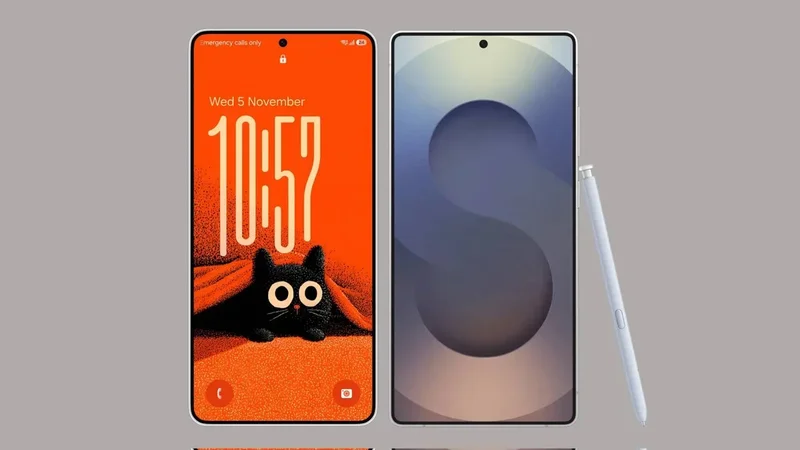
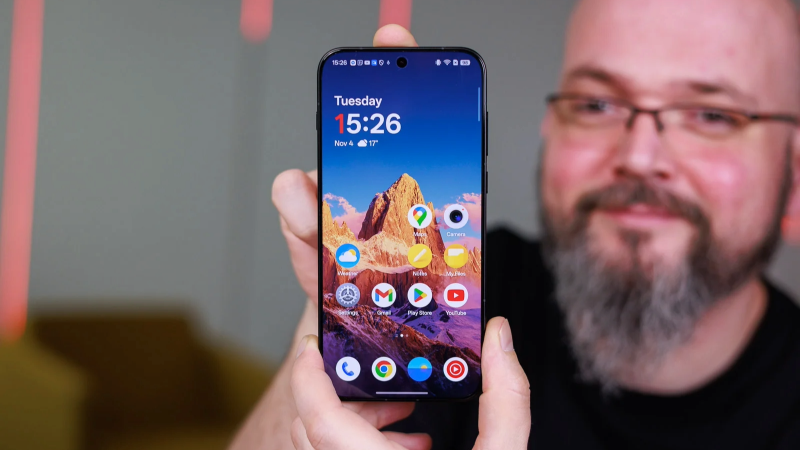
One UI’s latest iteration offers a refined Android experience beloved by many users. Samsung has thoughtfully avoided implementing stock Android 16’s Quick Tile customization exactly as Google intended, opting instead for a more polished, user-friendly approach. This careful customization demonstrates the software team’s maturity and attentiveness to real-world usability.
The hardware remains stuck in a loop
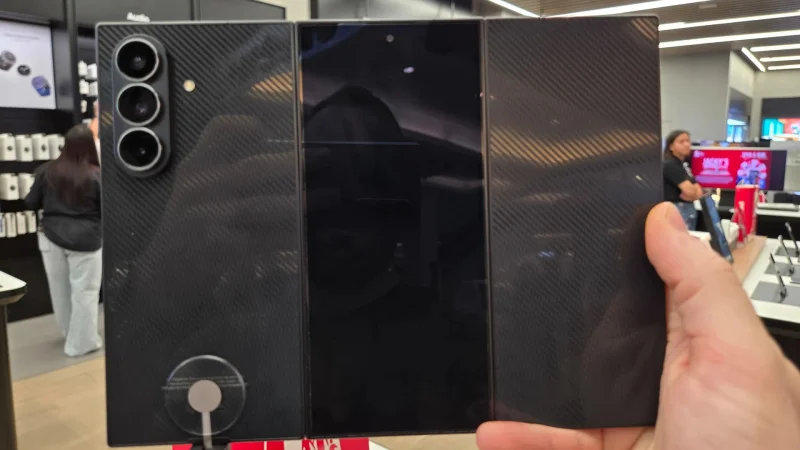
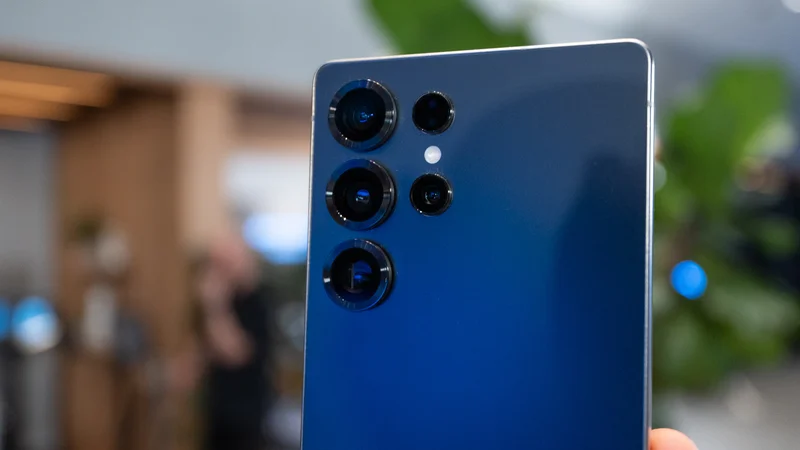
Despite Samsung’s clear software strides, its hardware division has shown little appetite for risk or groundbreaking innovation lately. The removal of pioneering elements like the Now Bar signals a cautious approach rather than bold exploration. This conservatism has left Samsung's phones feeling familiar—and underwhelming—despite some software brilliance.