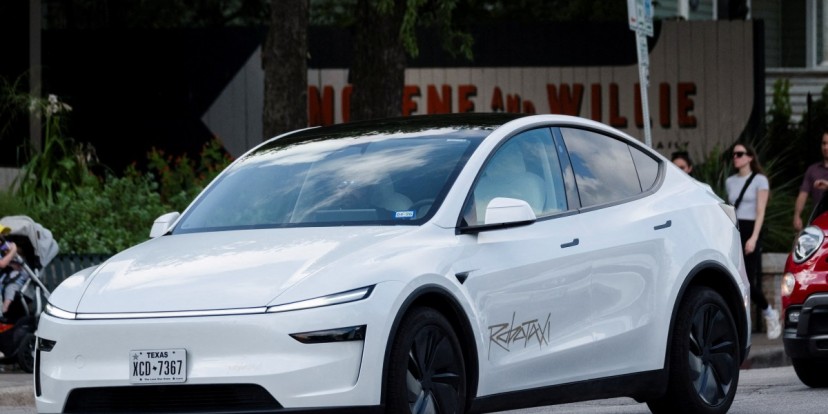
Over the weekend in Austin, Texas, a Tesla Model Y was spotted navigating city streets without anyone behind the wheel or in the passenger seat. The vehicle followed traffic rules autonomously, marking a significant milestone in Tesla's pursuit of fully self-driving cars.
Elon Musk confirmed the sightings on social media, stating, "Testing is underway with no occupant in the car." This move signals Tesla's increasing confidence in its latest Robotaxi technology, though it also raises important questions regarding safety data transparency and public trust.
Just saw a Tesla with no one in the car @SawyerMerritt @wholemars @robotaxi @Tesla pic.twitter.com/llSt6UPbH4
— 420 Bounty Hunter (@Mandablorian) December 14, 2025
Since Tesla's 2019 "Autonomy Day," the company has continuously updated its Full Self-Driving (FSD) software, often missing self-imposed deadlines. Seeing an active, driverless vehicle on public roads, however, represents a tangible step forward for customers and enthusiasts.
Despite this progress, Tesla has yet to release comprehensive, verifiable data proving that its FSD system operates more safely than human drivers. Unlike competitors such as Waymo, who routinely publish detailed reports on system disengagements—instances where human drivers must intervene—Tesla primarily shares curated videos and anecdotal evidence.
For services like Robotaxis, which will carry passengers autonomously, transparency and robust safety validation are crucial.
Testing is underway with no occupants in the car
— Elon Musk (@elonmusk) December 14, 2025
Incident reports filed with the U.S. National Highway Traffic Safety Administration (NHTSA) reveal that Tesla’s Robotaxi pilot in Austin experienced a crash approximately every 99,780 kilometers driven—significantly higher than average crash rates for human drivers. These incidents occurred with human safety monitors inside the vehicles, ready to take control if necessary.
Removing these safety monitors without documented improvements in system performance contradicts common sense and elevates safety concerns.
Still, Tesla plans to launch its Robotaxi service in Austin without safety drivers within weeks. This approach bypasses the critical phase of proven safety validation in favor of rapid deployment—a strategy that carries considerable risk. Success could revolutionize transportation, but failure might severely impact public perception of electric vehicles and autonomous technology for years to come.
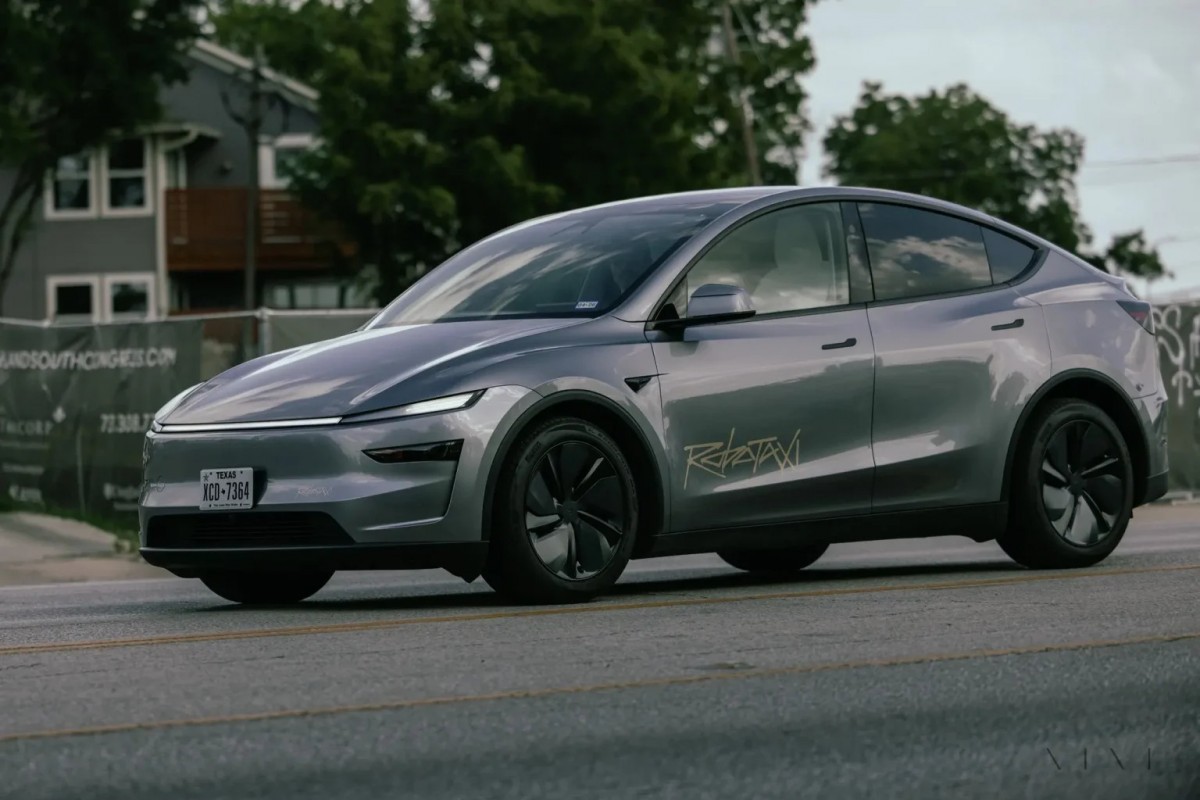
Tesla's bold move contrasts with the cautious, methodical scaling adopted by some competitors and appears partly driven by marketing. By visibly deploying empty Model Ys on Austin streets, Tesla generates buzz that reinforces its image as a technological leader.
While the prospect of a widespread, driverless Tesla network excites many, the absence of detailed safety data suggests this demonstration prioritizes publicity over proof of readiness. True autonomous driving success will depend on handling complex, unpredictable scenarios—an area where Tesla's system still faces scrutiny.
Via