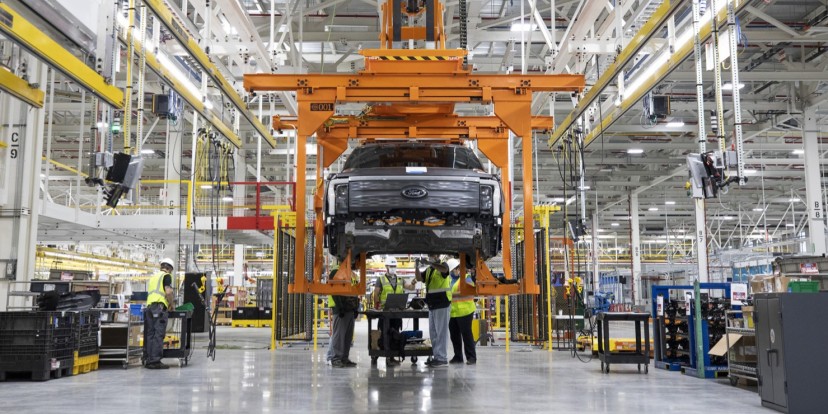
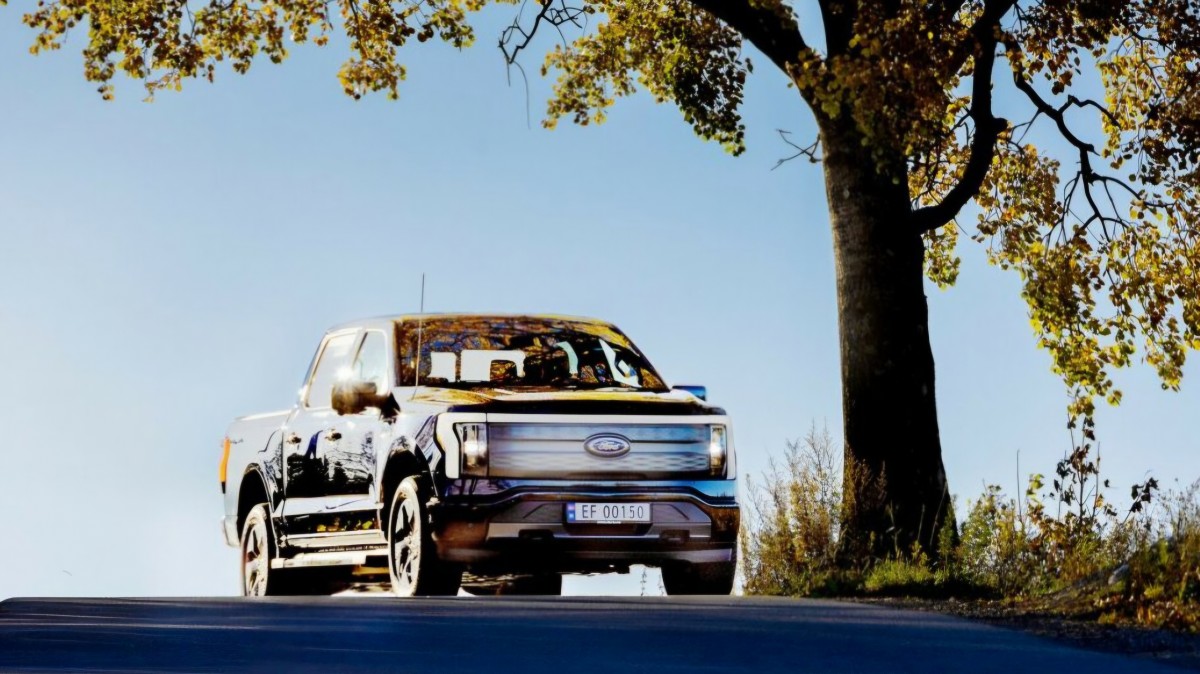
Ford has officially discontinued the all-electric F-150 Lightning, abruptly halting production of a truck once celebrated as revolutionary. The company will now prioritize profitability by focusing on hybrids and more affordable electric models rather than large, fully electric trucks. Financial reports reveal the rationale: Ford's Model e division incurred a $1.4 billion loss in the third quarter alone, contributing to a total loss of $3.6 billion through September.
The next iteration of the popular F-150 Lightning will not be fully electric. Ford announced it will transition to an Extended Range Electric Vehicle (EREV), combining electric motors with a gasoline engine that charges the battery when necessary. This design aims to offer the benefits of extended range alongside 100% electric power delivery to the wheels, retaining impressive acceleration, reaching 60 mph in under five seconds.
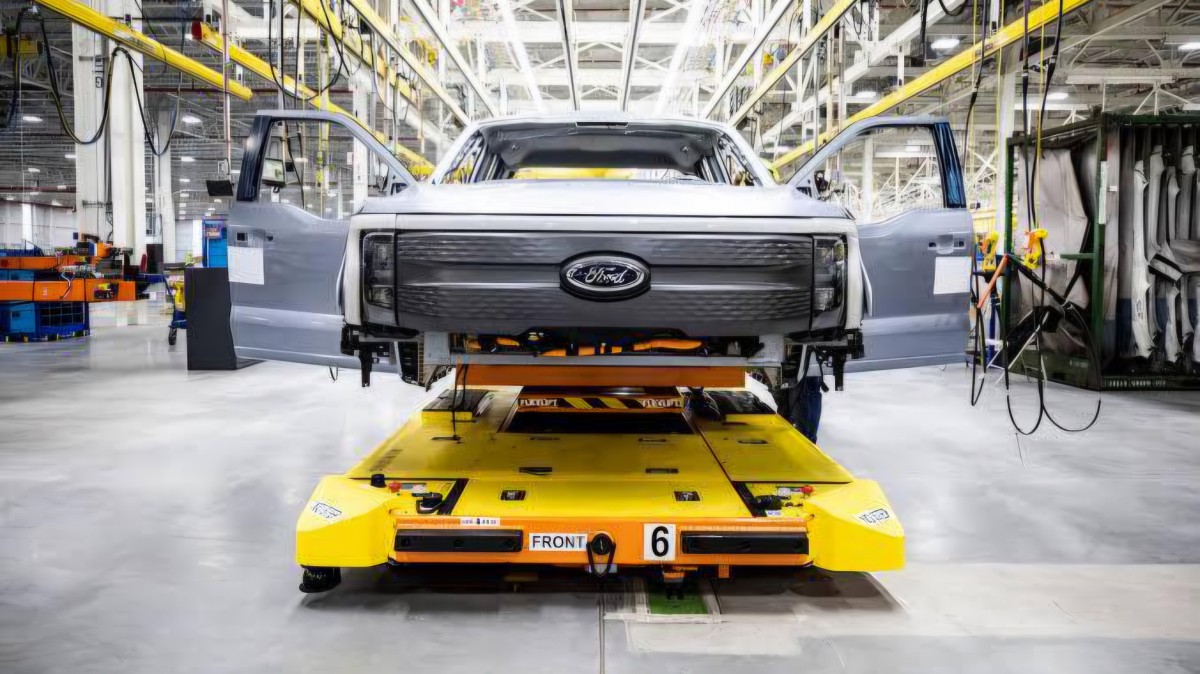
Doug Field, Ford's Chief of Product and Design, describes the new EREV F-150 Lightning as "every bit as revolutionary" as its predecessor, promising that it “tows like a locomotive.” The new truck will boast a combined driving range exceeding 700 miles. Production will take place at the Rouge Center in Dearborn, Michigan.
Ford is also realigning its manufacturing priorities, doubling down on traditional gasoline-powered vehicles and hybrids. Workers from the Rouge Center have been reassigned to the Dearborn Truck Plant, signaling an emphasis on gas and hybrid models. This aligns with Ford’s broader goal for hybrids, EREVs, and traditional ICE vehicles to represent 50% of its global sales by 2030, up from a projected 17% in 2025.
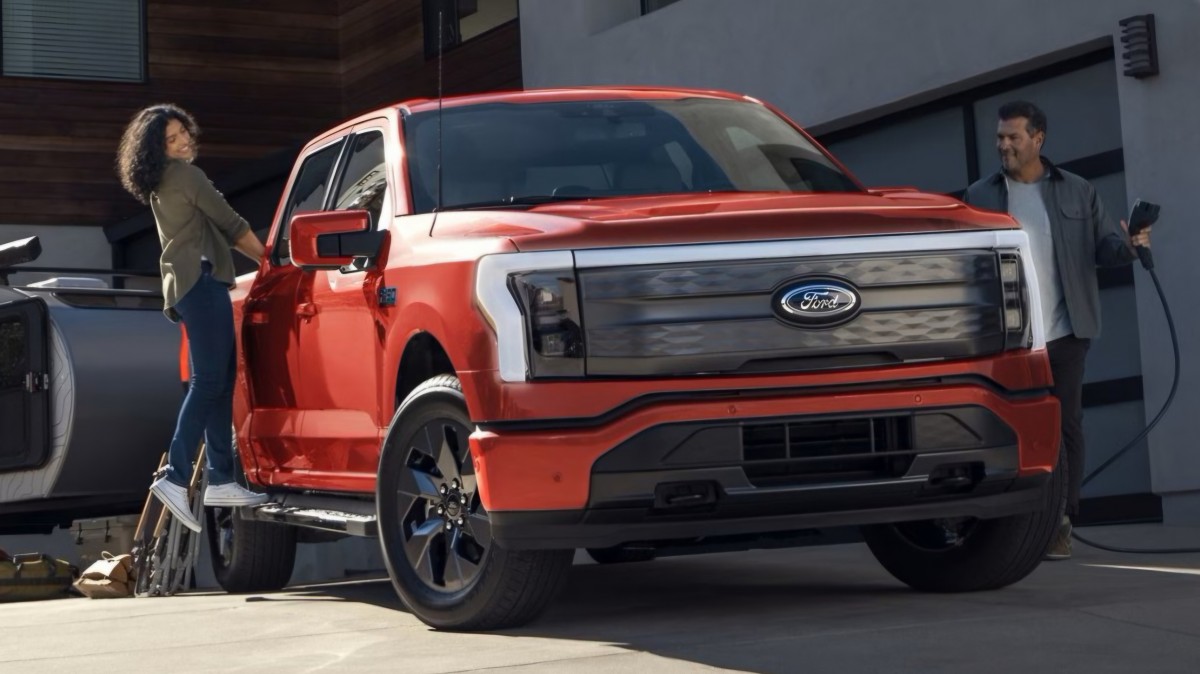
The company plans to offer gasoline, hybrid, and extended-range versions across nearly its entire lineup soon. Notably, Ford will replace its electric commercial van in North America with more affordable gas and hybrid models, to be manufactured in Ohio.
Although the large F-150 Lightning faced challenges, Ford remains committed to affordable electric vehicles. The first model on the new Universal Platform will be a midsize electric pickup, comparable in size to the Ranger or Maverick, expected to start near $30,000. This smaller truck targets a cost-sensitive segment with strong demand. Ford anticipates Model e division profitability by 2029, with improvements beginning as early as 2026.
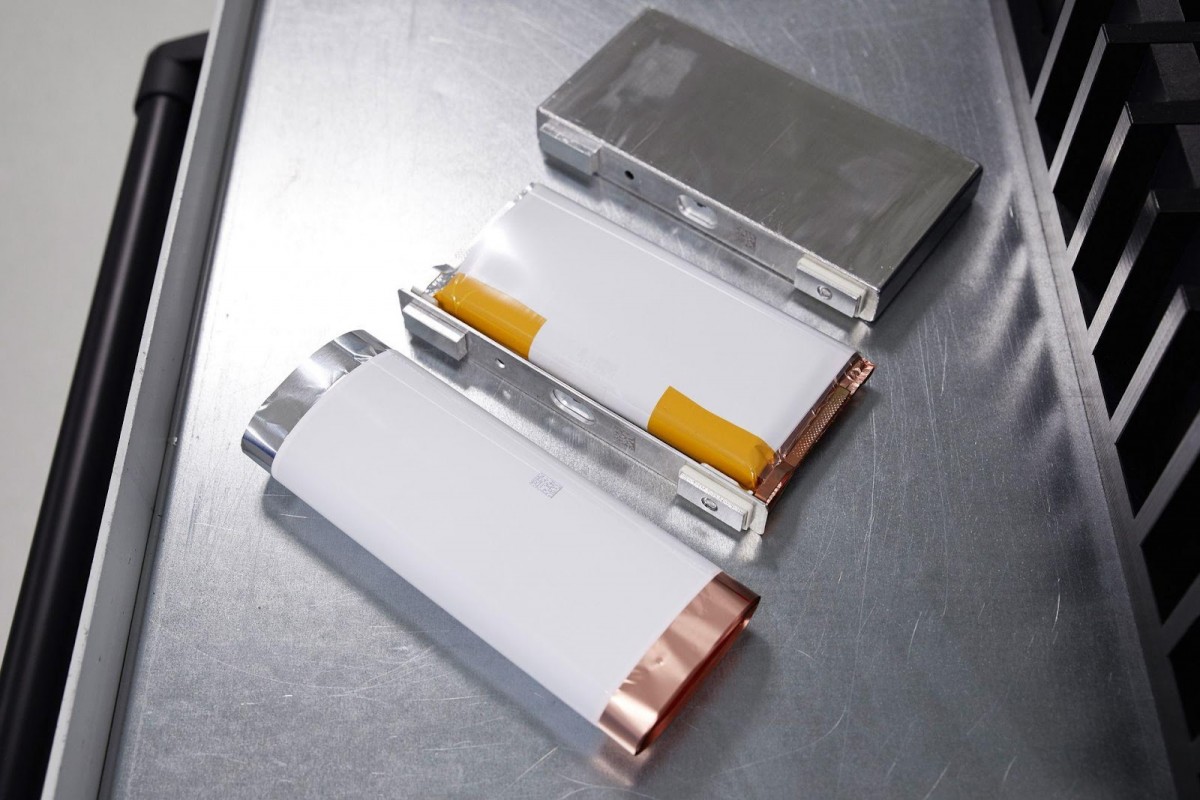
With the move away from fully electric trucks, Ford must repurpose excess battery production capacity. After ending a joint venture with SK On for U.S. battery facilities, the company is entering the rapidly growing Battery Energy Storage System (BESS) market, driven by demand from power utilities and data centers. CEO Jim Farley emphasized reallocating capital to these higher-return business opportunities.
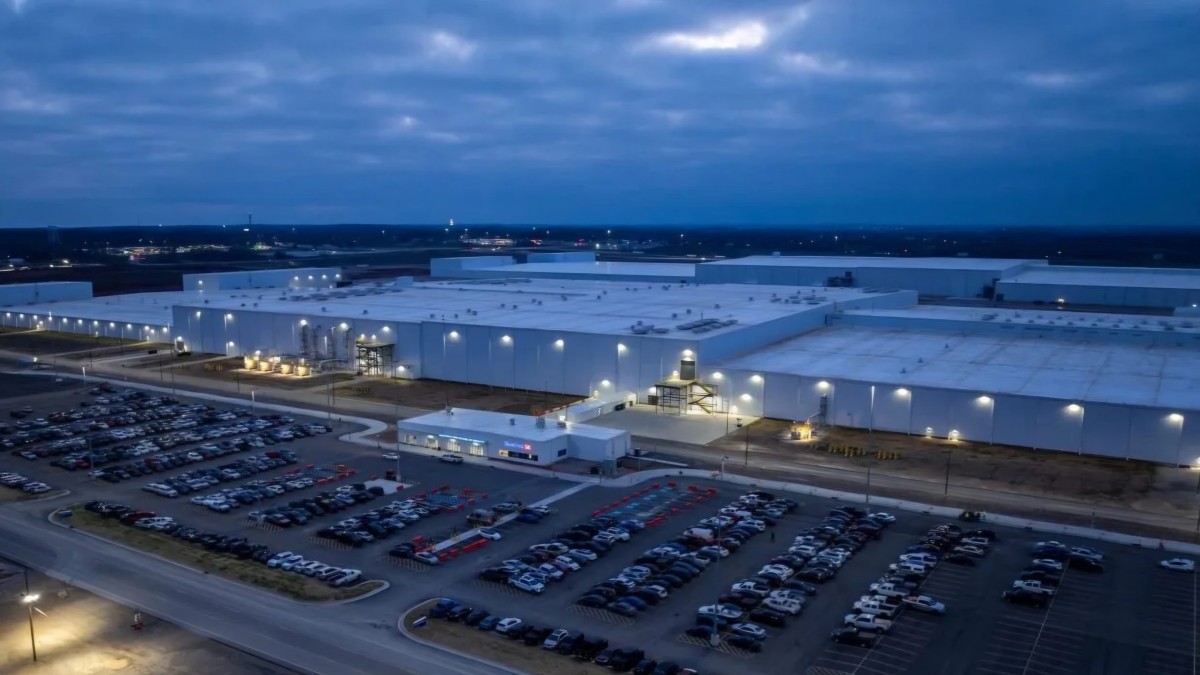
Ford plans to invest approximately $2 billion over the next two years to expand this energy sector. The Glendale, Kentucky plant—previously producing batteries for the all-electric F-150 Lightning—will be converted into a BESS manufacturing hub. It will produce large battery systems exceeding 5 MWh, housed in 20-foot shipping containers for industrial customers.
Ford aims to deploy a minimum of 20 GWh of energy storage annually by late 2027. Meanwhile, a separate facility in Marshall, Michigan is set to begin production in 2026, manufacturing smaller battery cells for residential energy storage and supporting the upcoming midsize electric pickup.
By repurposing its significant battery investments to tap into the lucrative grid storage market alongside hybrids and smaller electric trucks, Ford is executing a strategic and financially prudent pivot. This approach should help the company recover its investments more swiftly amid a challenging electric truck market.
Source