The announcement of the Samsung Galaxy S26 lineup has sparked considerable discussion around its pricing, especially whether Samsung will maintain the familiar $799 starting price for its base model.
The Galaxy S26 series includes the following devices:
- Galaxy S26
- Galaxy S26 Plus
- Galaxy S26 Ultra
Additionally, Samsung may introduce the Galaxy S26 Edge, the second-generation ultra-thin phone, sometime in 2026.
| Device | Expected Price |
|---|---|
| Galaxy S26 | $799–$899* |
| Galaxy S25 | $799 |
| Galaxy S24 | $799 |
*Expected pricing based on industry speculation
Pricing Concerns: Is a Hike Justified?
Many fans and potential buyers wonder if Samsung will stick to the $799 price point or introduce a price rise in the range of $50 to $100. While the starting price of previous Galaxy S models remained constant, recent developments suggest costs are rising behind the scenes. Samsung has reportedly experienced a spike of up to 60% in RAM prices, alongside talks of possible shortages in memory supply.
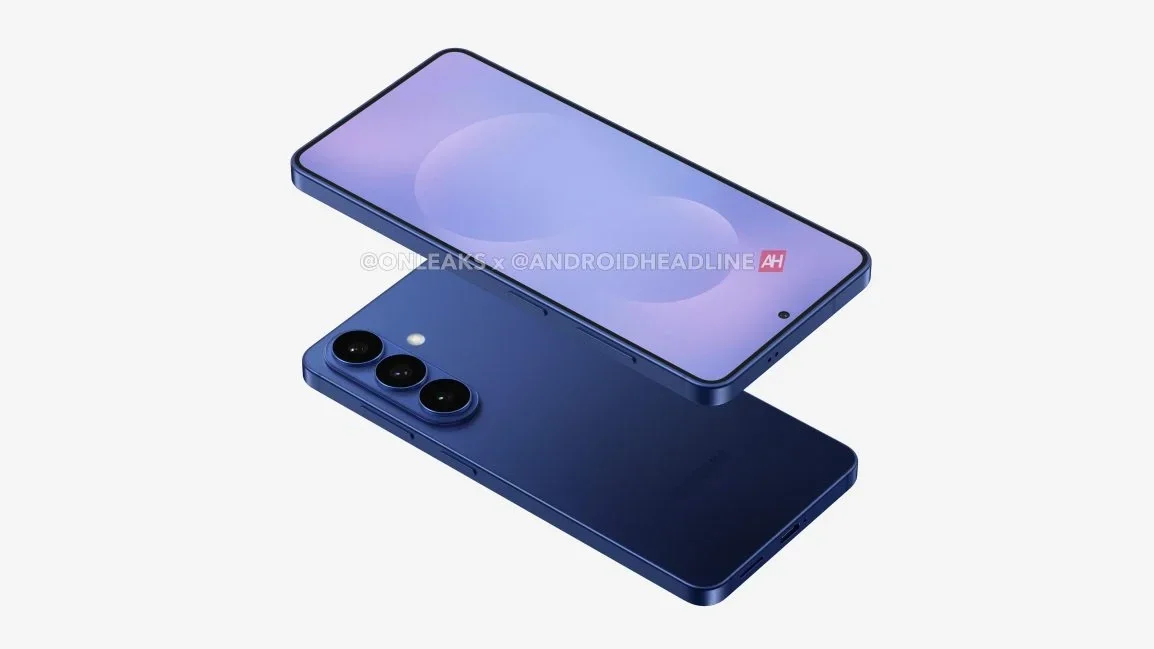
Besides RAM, the prices for chipsets and camera modules have also increased, which might justify a price increase for the Galaxy S26. Industry insiders have cautioned consumers to be prepared for these changes.
How Much Should the Galaxy S26 Cost?
Poll Results (33 votes):
- $799 and not a cent more: 93.94%
- Up to $849 is acceptable: 6.06%
- Up to $899 is still okay: 0%
- I love Samsung, I could pay $1,000 if needed: 0%
Is $800 Too Much?
The Galaxy S26 Ultra is expected to be the standout device in the series, with the regular S26 and S26+ seen as receiving only minimal updates. Some voices from the tech community have criticized the lack of substantial improvements, comparing it unfavorably with previous releases like the Galaxy S22.
One well-known tipster on X (formerly Twitter) expressed a strong sentiment: even a $1 price increase—taking the base price from $799 to $800—would be unacceptable. For many, $799 is already a significant investment; any price hike might push buyers towards hesitation.
Ultimately, the question remains — will Samsung listen to consumer feedback and maintain the $799 price point, or is a price increase inevitable due to rising component costs?


