Introduction
Smartphone photography has evolved rapidly over recent years, with computational techniques pushing the boundaries of what tiny camera sensors and lenses can achieve. Yet, despite impressive digital zoom innovations from companies like Google and Samsung, many photography enthusiasts continue to favor physical optics — particularly larger, dedicated lenses. Recently, a new trend has emerged where external telephoto lens kits offer a promising bridge between smartphone convenience and the quality of traditional cameras. However, leading smartphone giants Apple and Samsung seem to be missing the boat on this intriguing development.
Big Lenses Still Hold Their Ground
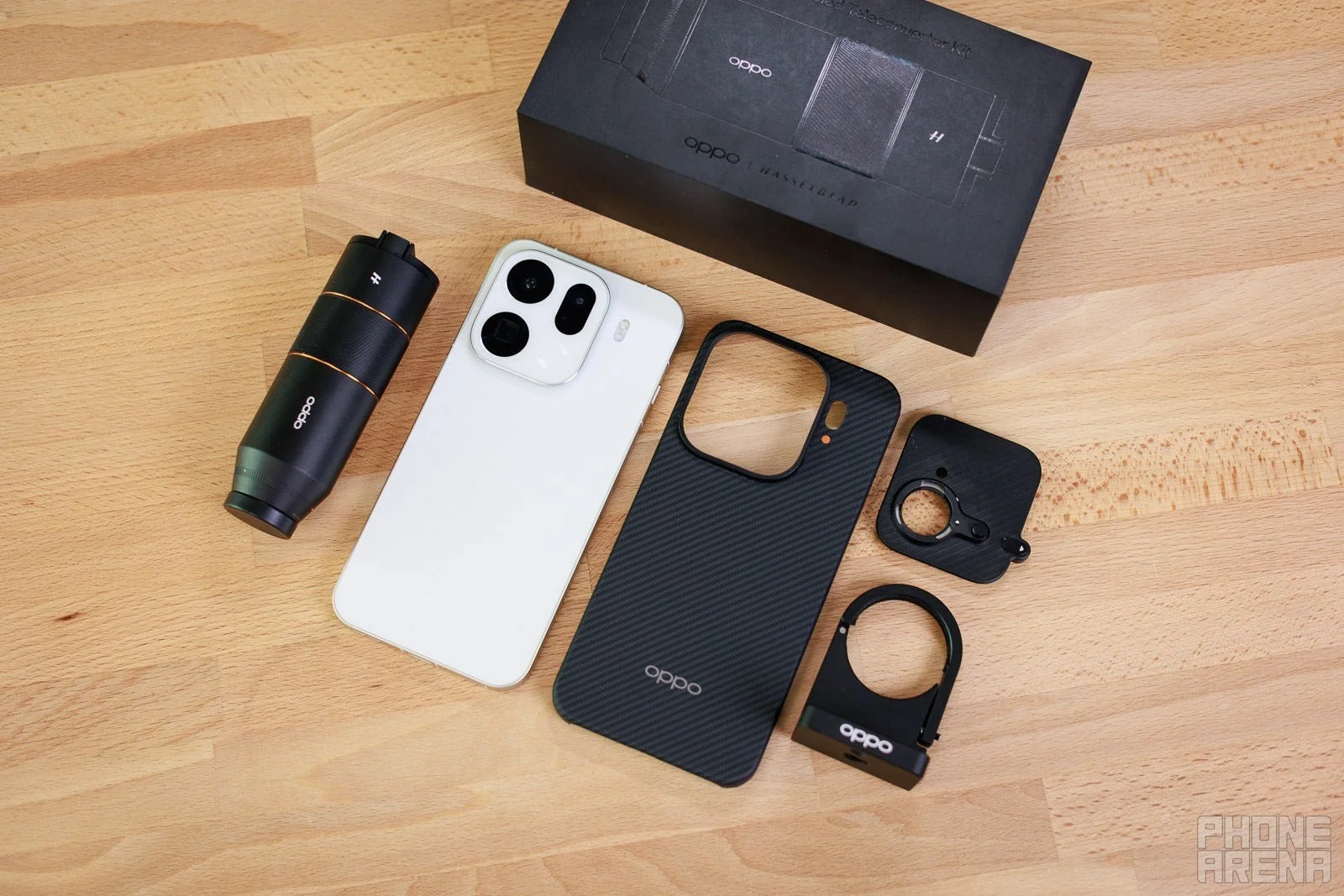
While computational photography dramatically cleans up noise and enhances detail, physical lens size still matters. Pro photographers and serious enthusiasts often reach for their 'real’ cameras when quality and versatility count. Bulky and equipped with interchangeable lenses, these devices remain undefeated in delivering true photographic power despite the convenience of smartphones.
External Telephoto Kits: Marrying Two Worlds?
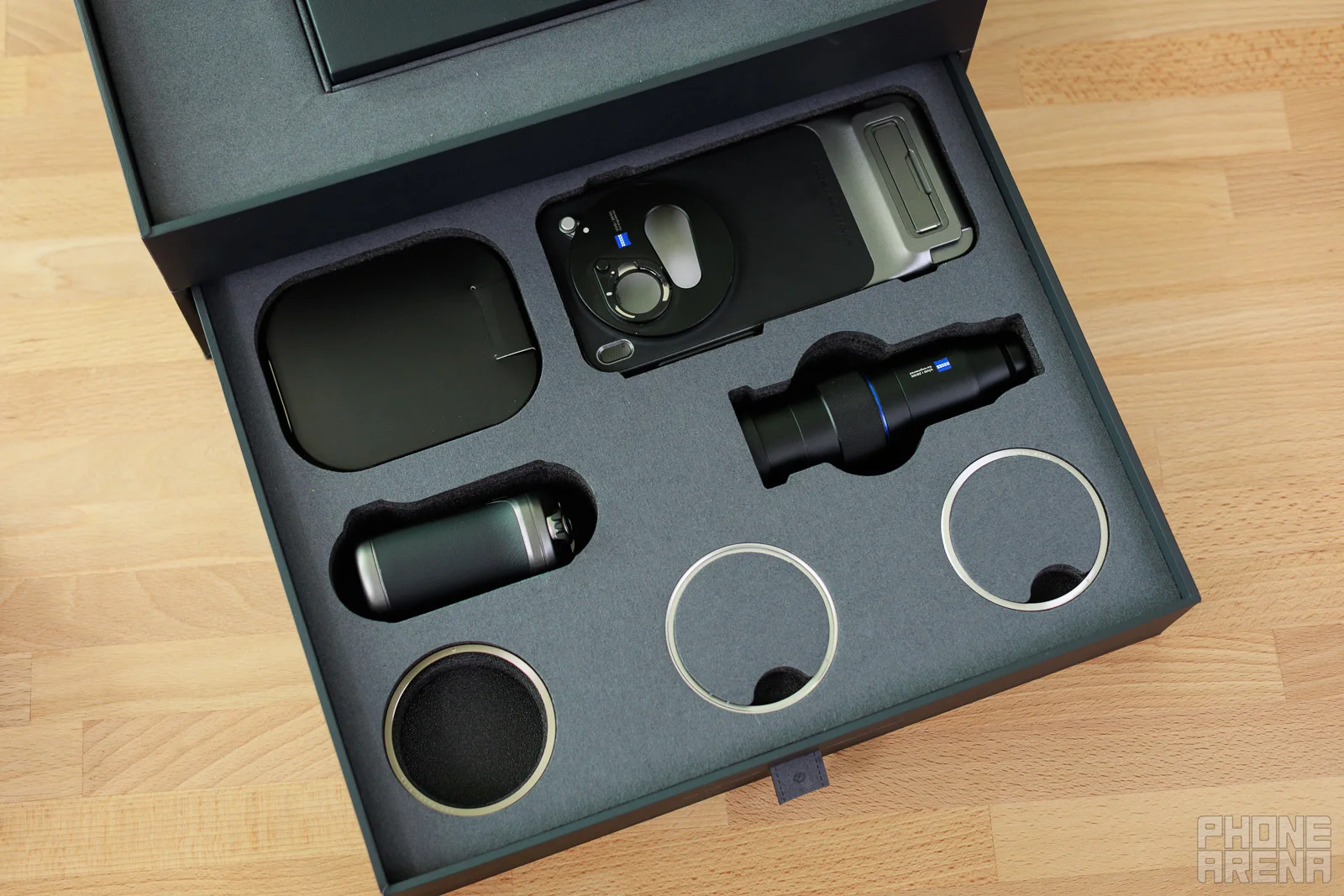
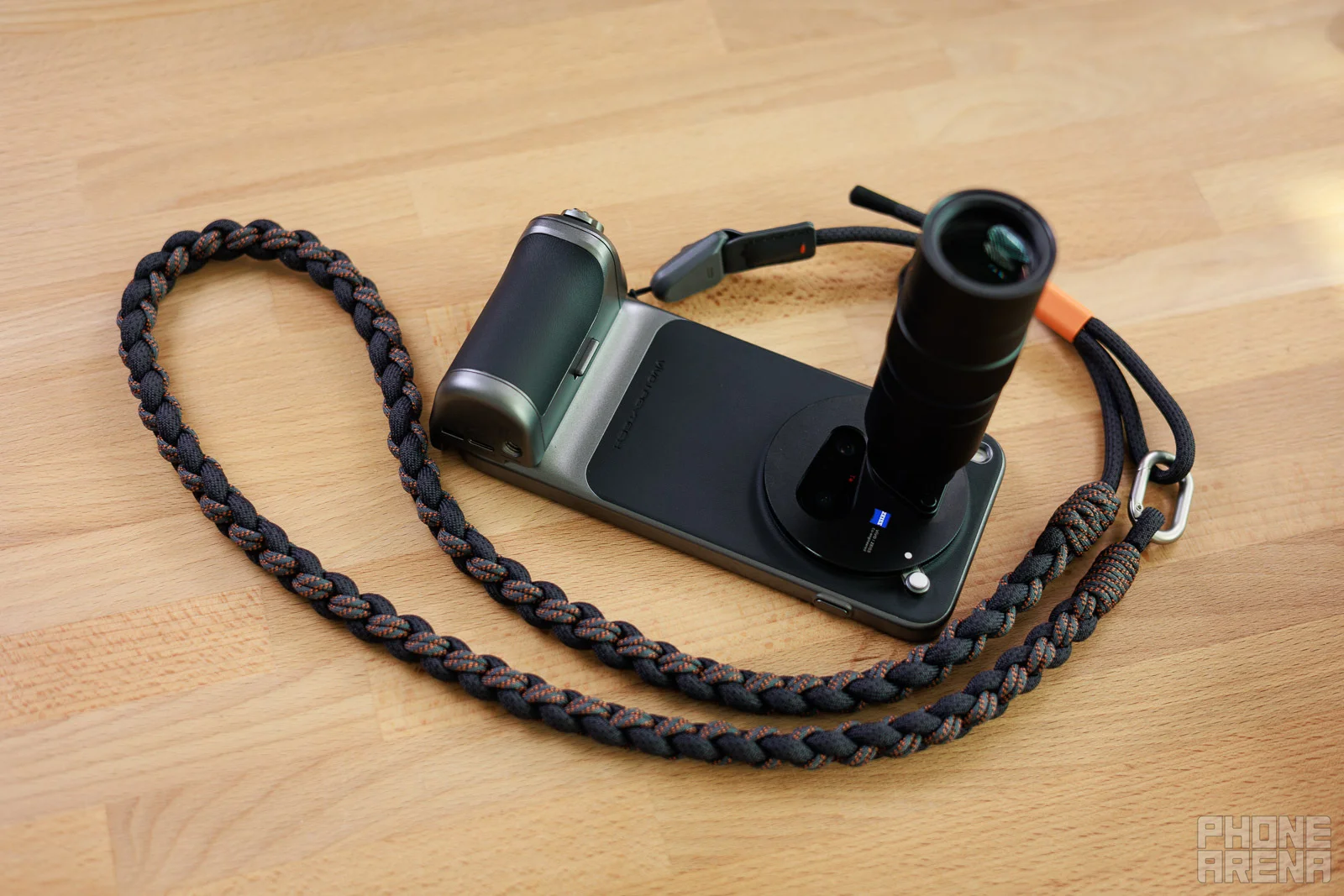
The Vivo X300 Pro Photography Kit stands out for offering a rugged lanyard-attached case with a snap-on 200mm external lens, making handling and portability simple. These telephoto extenders are compact enough to slip into pockets, unlike traditional camera lenses, offering a unique blend of convenience and performance.
Advantages of Teleconverter Lenses on Smartphones
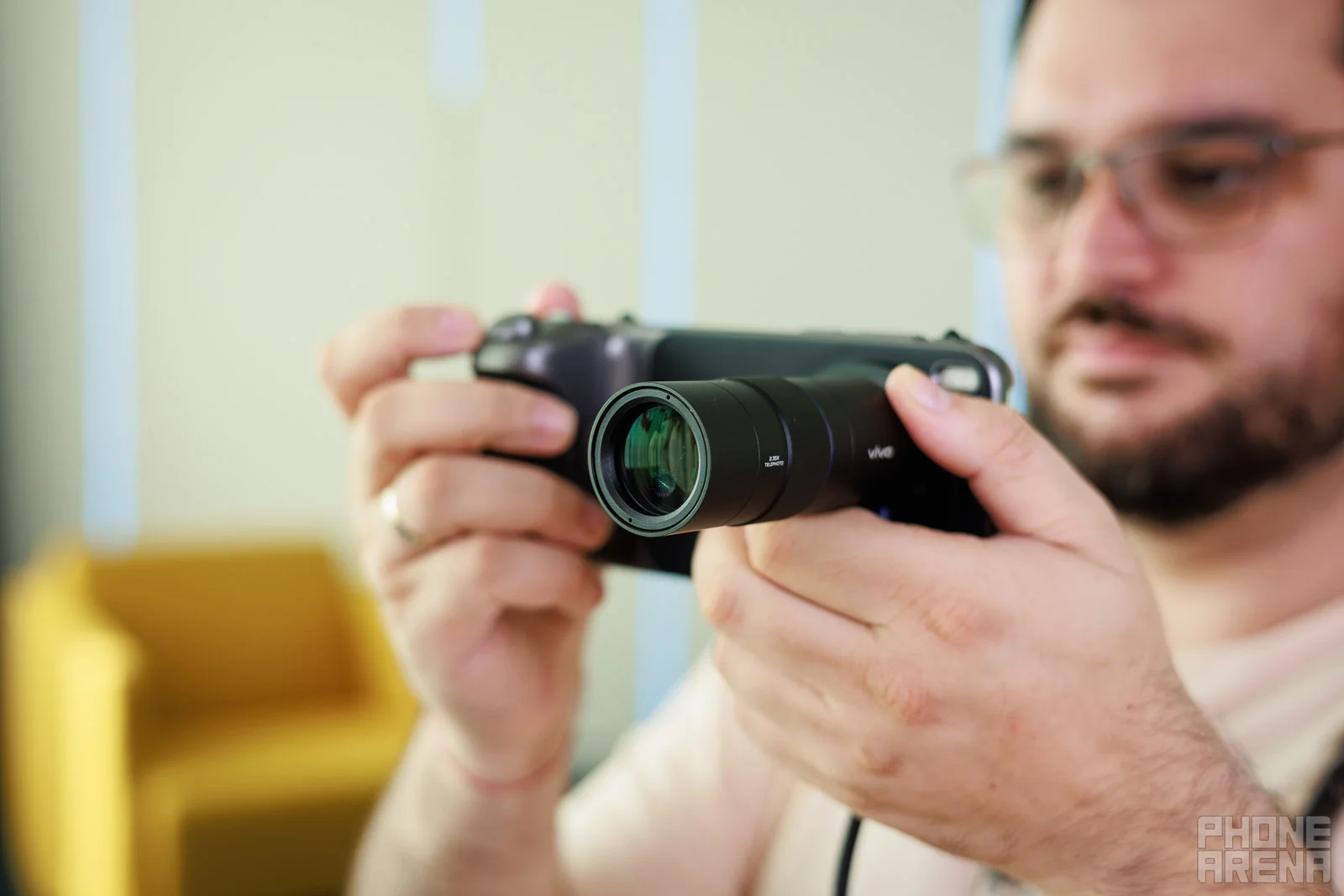
External telephoto lenses extend your phone’s zoom capabilities substantially. For example, Oppo’s Teleconverter achieves an equivalent 230mm focal length, while the Vivo X300 Pro’s extender offers 200mm. Beyond magnification, these lenses improve image framing, subject-background separation, and produce significantly better bokeh—effects hard to replicate digitally.


Portrait photography also benefits from these lenses, especially when capturing tightly framed shots. While wide-angle portraits remain popular, shooting close-in portraits with long lenses creates beautifully compressed backgrounds and a distinctly professional look.

At concerts or sporting events, actual glass optical zoom produces clearer, crisper, and more stable video footage compared to purely digital zoom-enhanced clips, reinforcing the potential of external telephoto lens kits.
Is This the Next Big Step for Smartphone Photography?
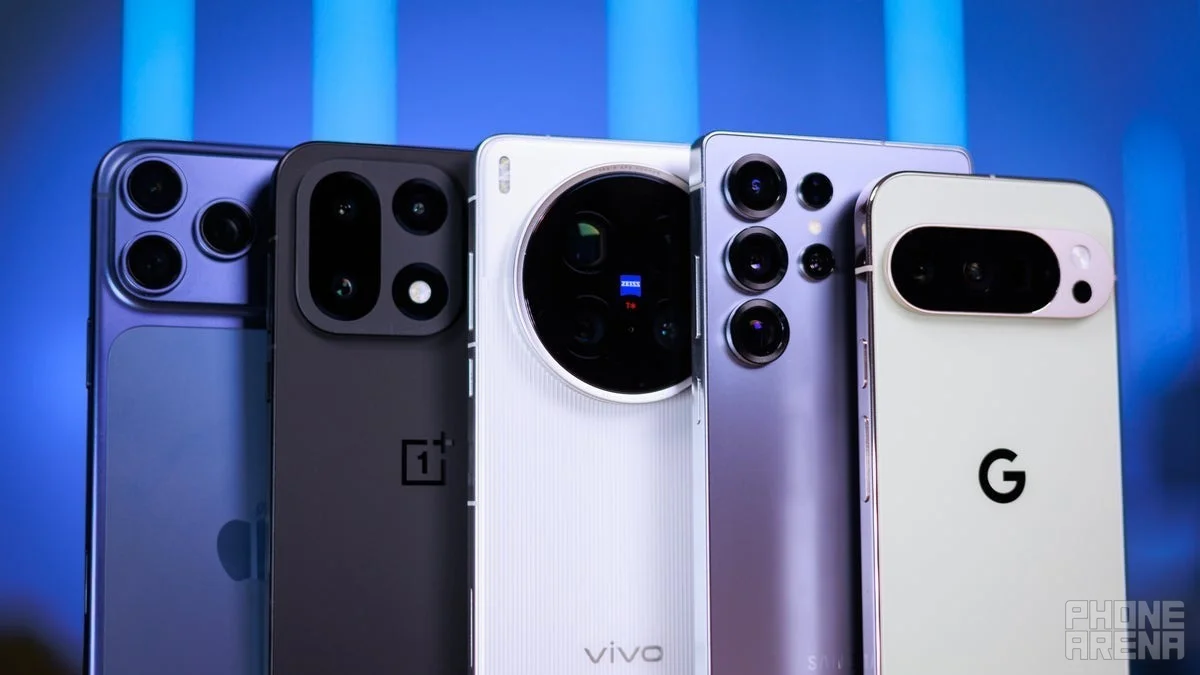
Although these telephoto lens kits offer exciting possibilities and definitely appeal to photography enthusiasts, they aren’t poised to become the future mainstream for smartphone cameras. Yet it’s clear that Apple and Samsung have largely ignored this category, opting instead to focus on purely computational innovations rather than integrating meaningful optical accessories.


