When Ultra-Slim Phones Miss the Mark
In recent years, major smartphone manufacturers like Samsung and Apple have experimented with ultra-slim phone designs, hoping to capture consumers with sleek, lightweight devices. However, models such as the Galaxy S25 Edge and iPhone Air turned out to be significant disappointments in the market. Despite their impressive aesthetics, these phones suffered from critical compromises that left users and critics alike unimpressed.
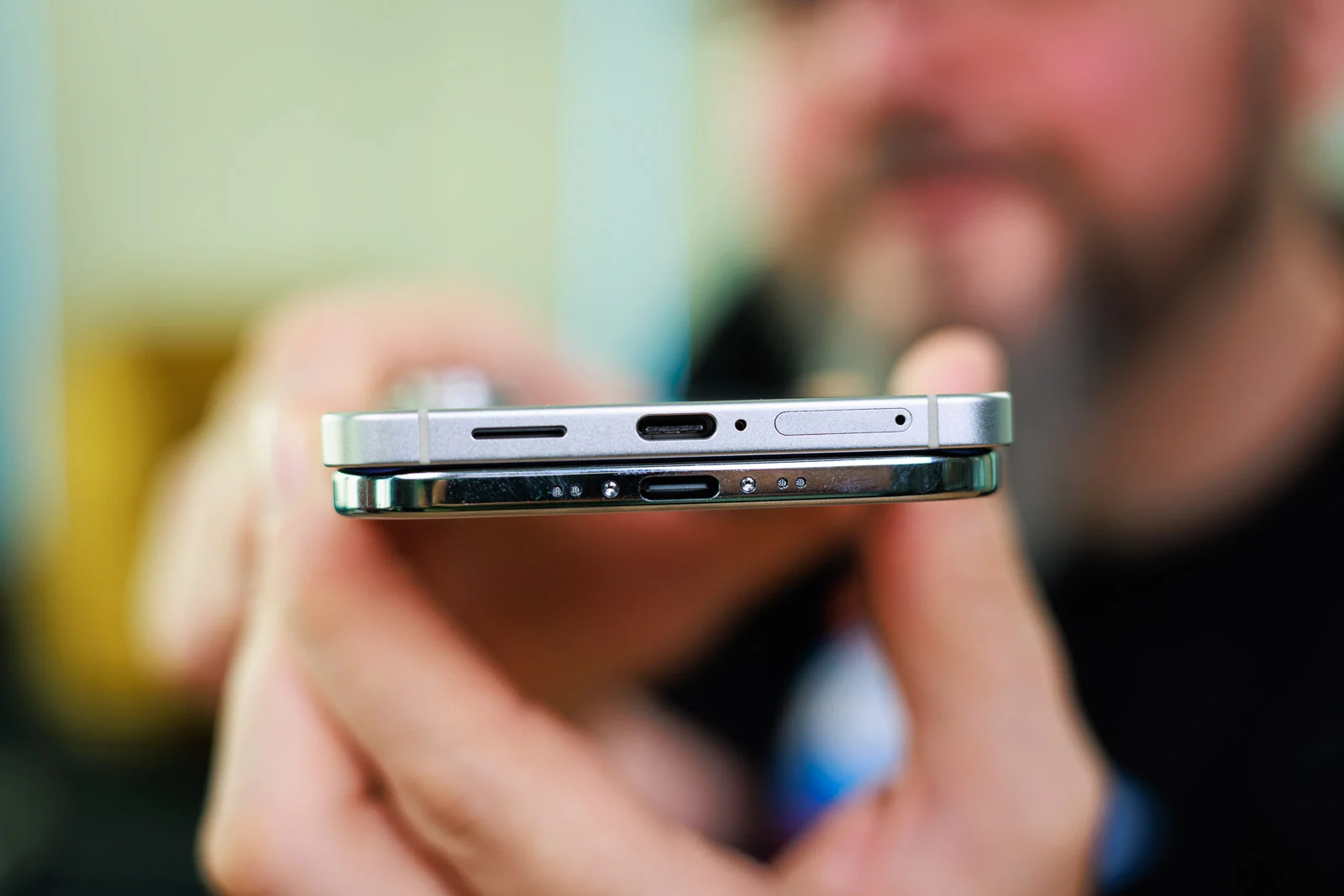
Samsung responded by redesigning their upcoming Galaxy S26 lineup to remove the Edge model, while Apple delayed the release of the anticipated iPhone Air 2, considering a comprehensive redesign. These gestures acknowledge that the ultra-slim form factor came at too high a cost for performance and usability.
Compromises That Consumers Didn’t Want
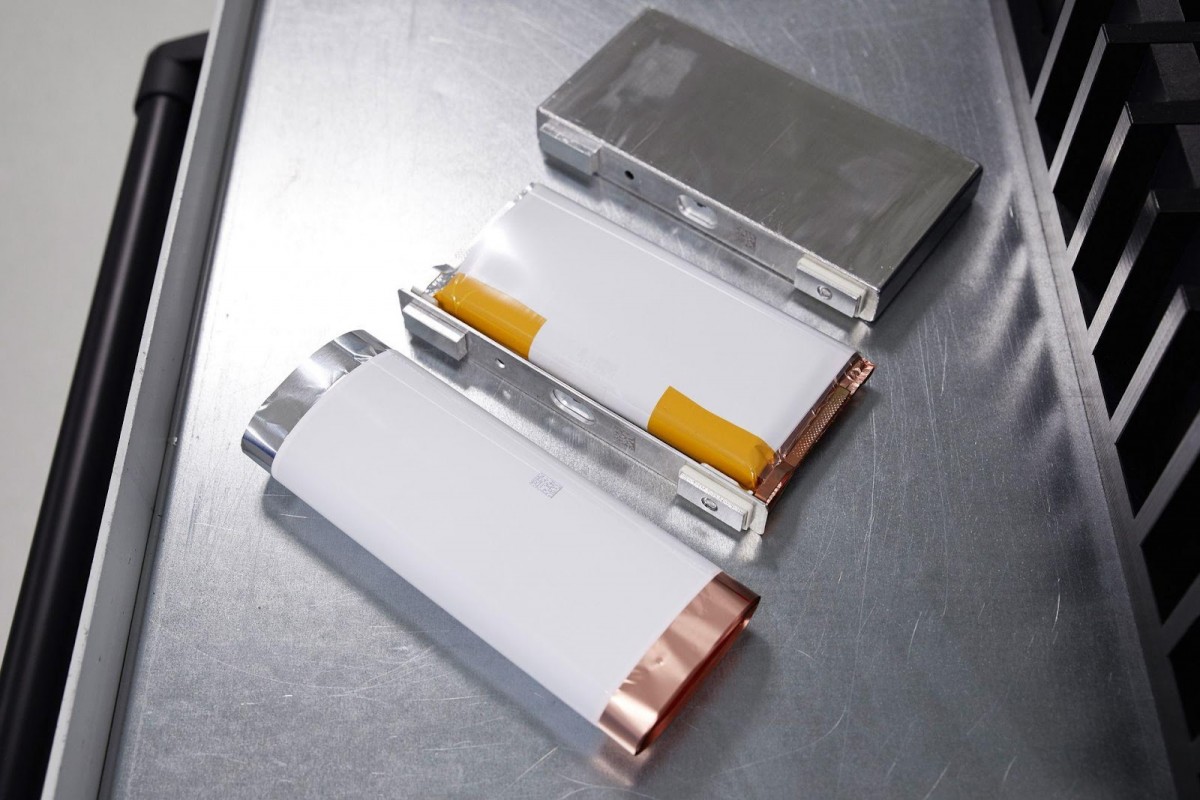
Although devices like the Galaxy S25 Edge and iPhone Air were visually stunning and comfortable to hold, they suffered from small batteries, subpar camera systems, and performance limitations. For such high-priced devices, these trade-offs were difficult for users to accept.
Take, for example, the iPhone 17 Pro. Despite weighing more than the iPhone Air, it offered significantly better battery life, advanced cameras, and faster performance — features mobile users clearly value much more than thinness alone.
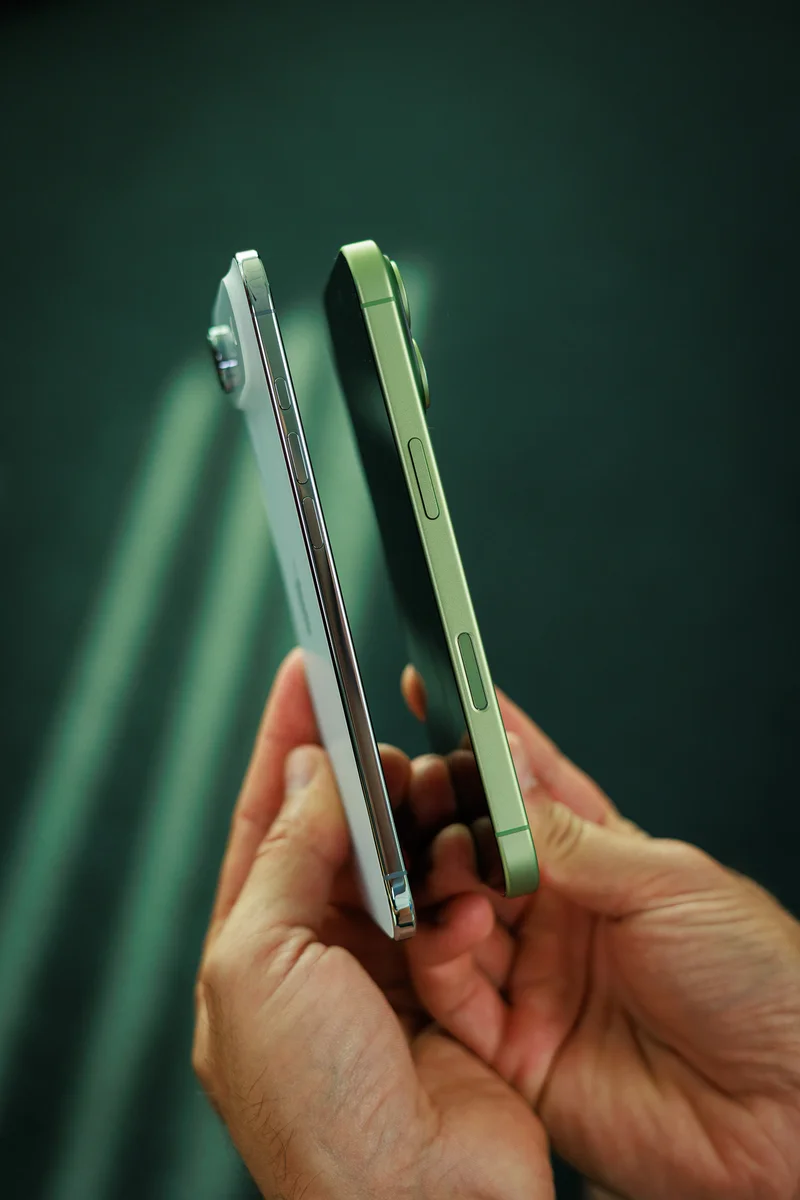
The iPhone Air’s slim profile is noticeable compared to the iPhone 17. | Image credit – PhoneArena
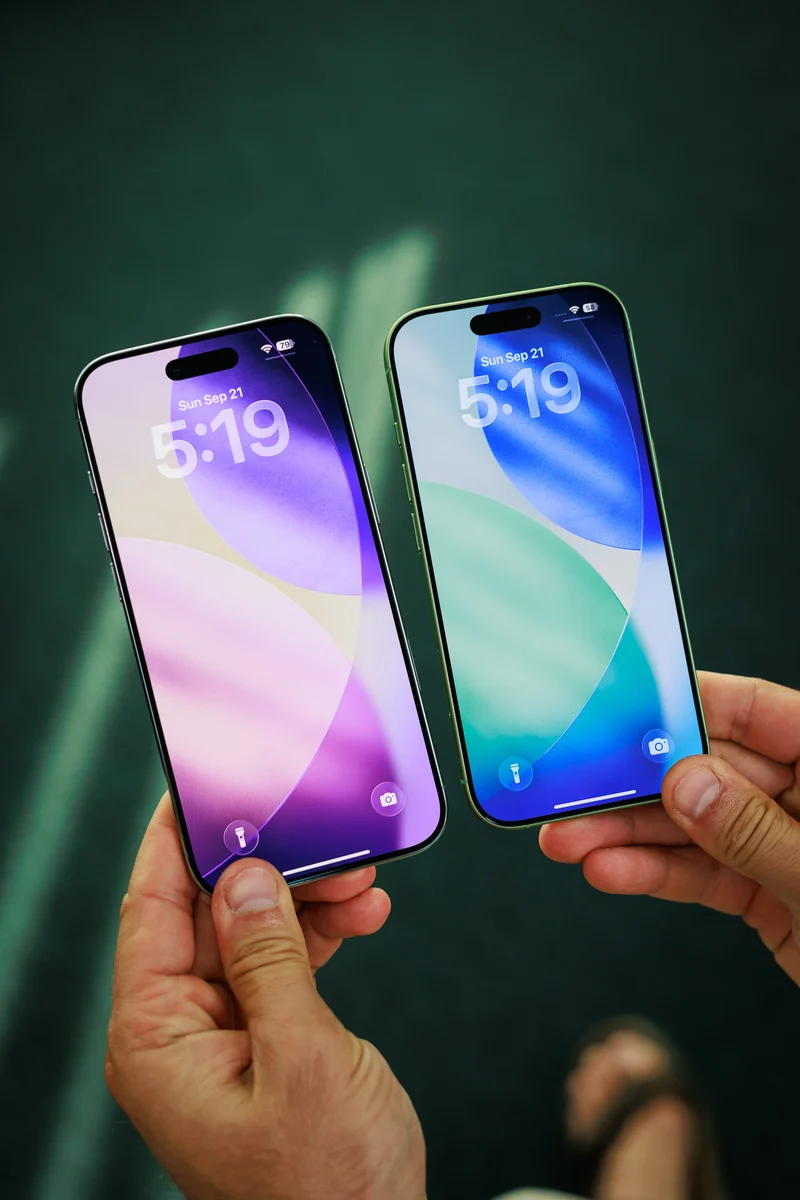
Despite its larger size, the iPhone 17 feels comfortable in hand. | Image credit – PhoneArena
What Consumers Actually Want
While the ultra-slim design was appealing in concept, it failed to meet the needs and expectations of everyday users. The extraordinary success of the Galaxy Z Fold 7 and the iPhone 17 series — both of which boast larger batteries, better displays, and faster charging — shows that consumers prefer devices that prioritize usability and performance over mere thinness.
Both Samsung and Apple delivered features users had been requesting for years, such as ProMotion displays, expanded base storage, and improved battery capacity. This focus on tangible enhancements pushed Apple back to the number one spot in the global smartphone market.
Poll: What Would Make You Consider an Ultra-Slim Phone?
Larger battery - 39.78%
Better cameras - 8.84%
Improved performance - 3.87%
Lower price - 18.23%
Even thinner body - 5.52%
Nothing, I like thick phones - 23.76%
Lessons for the Future
Looking ahead, Apple’s planned iPhone Air 2 release in 2027 and Samsung’s continued development of the Galaxy S26 Edge show that brands are not giving up on the ultra-slim concept entirely. However, success will depend on addressing the major downsides: battery life, camera quality, performance, and price.
Until then, the market makes it clear that good design means more than just thinness. Meeting user needs is what drives true innovation and sales in the smartphone industry.